
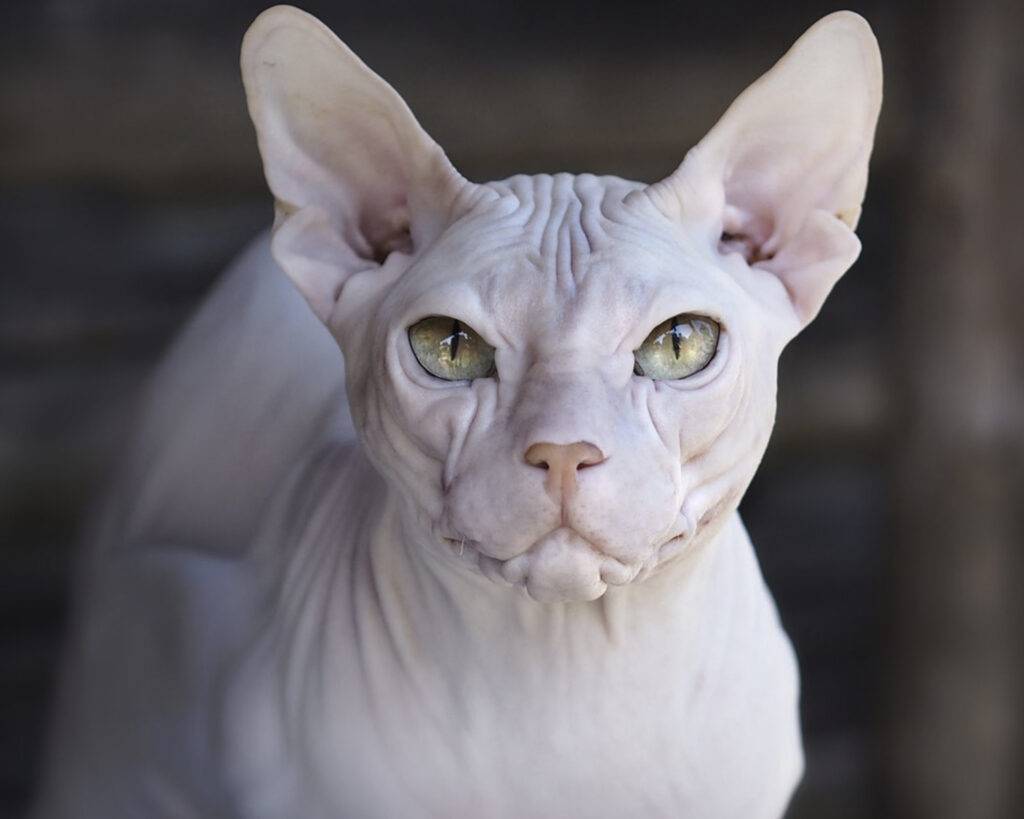
Sphynx cats make wonderful companions. They have an affectionate, easygoing temperament and, because they’re hairless, they don’t leave fur all over your furniture. That said, caring for a hairless cat comes with a few specifics every owner needs to understand. Without a coat to regulate body temperature and absorb skin oils, the Sphynx depends on you for a level of daily care that fluffier breeds simply don’t require. Below is a practical, experience-based guide to keeping a Sphynx healthy, comfortable, and thriving.
Key Takeaways
- Sphynx cats have no protective coat, so they need help staying warm and avoiding both cold drafts and overheating.
- Their skin produces oil that would normally be absorbed by fur, so regular bathing or wiping is essential.
- Eyes and ears need frequent cleaning because there’s no hair to keep debris out.
- A higher metabolism means Sphynx cats often eat more than other breeds to maintain body heat.
- Consistent grooming, a warm environment, and quality nutrition keep this breed comfortable and healthy.


Keep Your Sphynx Warm and Comfortable
The first thing a new Sphynx owner learns is that these cats get cold easily. Without fur for insulation, they lose body heat quickly, and cold drafts can leave them shivering. Most Sphynx cats are comfortable in a warm room around 75°F (about 24–25°C). Lower temperatures put them at real risk of becoming chilled, which can lead to respiratory problems over time. Pay attention to where your cat chooses to nap; if it’s always burrowing under blankets, your home may be running cooler than it prefers.
Many owners buy lightweight sweaters or shirts made specifically for cats. Even if you never plan to take your Sphynx outdoors, a soft garment is useful for chilly evenings or drafty rooms. A heated cat bed or a cozy covered hideaway gives your cat a reliable warm spot to retreat to.
Protect That Sensitive Skin from Heat and Sun
As much as the Sphynx dislikes the cold, heat can be just as dangerous. Bare skin is highly sensitive and burns easily, so a Sphynx sunbathing on a windowsill or pressing against a hot radiator can suffer a genuine burn. Like people, hairless cats are vulnerable to sunburn and the long-term skin damage that comes with repeated sun exposure, so it’s wise to limit time in direct sunlight and keep your cat away from heaters and other hot surfaces (Cornell Feline Health Center). Make sure your cat always has a comfortable, shaded place to settle and never overheats.


Bathing and Skin Care
This is where Sphynx care differs most from other breeds. In a coated cat, fur absorbs the natural oils the skin produces. A Sphynx has no such buffer, so oil and dust collect quickly on the bare skin, clog pores, and can lead to acne, blackheads, and a slightly greasy feel. The solution is regular bathing, typically about once a week, to keep the skin clean and the pores clear. If a full bath isn’t practical, a careful but thorough wipe-down with a damp cloth is a good substitute.
Always use shampoos and moisturizers formulated specifically for the sensitive skin of hairless pets. Because the Sphynx’s skin reacts easily, the wrong product can trigger irritation or an allergic reaction and make matters worse rather than better. It’s a common mistake to bathe a cat more often in hopes of preventing breakouts, only to dry out or irritate the skin with an unsuitable shampoo. When in doubt, ask your veterinarian for a product recommendation (ASPCA).
After every bath, gently pat your cat dry with a soft towel and apply a pet-safe moisturizer. On days between baths, a quick wipe-down with a clean, slightly damp cloth keeps the skin fresh and oil from building up.


Eye and Ear Cleaning
A Sphynx’s eyes get dirty more often than those of furry cats. With little or no eyelashes (some Sphynx lines have none at all), there’s nothing to keep debris out, so a thin discharge tends to collect in the corners of the eyes. Wipe it away gently and regularly with a clean, soft cloth.
The ears need similar attention. Without fur lining the ear canal, dust and wax build up faster, and that job falls to you. Check your cat’s ears regularly and clean them with a veterinary ear cleaner, using a cotton pad rather than a cotton swab pushed into the canal. For most Sphynx cats, cleaning the ears about once a week is enough to keep them healthy.

Feeding a Sphynx Cat
A Sphynx burns a lot of energy simply keeping warm, which gives the breed a notably fast metabolism and a hearty appetite. To keep up with that demand, feed your cat more frequently in smaller portions throughout the day. Choose a high-quality, complete and balanced food that meets established feline nutritional standards so your cat gets everything it needs for healthy growth and skin (AVMA). Fresh water should always be available, and your veterinarian can help you fine-tune portions to keep your Sphynx at a healthy weight.
Sphynx Care at a Glance
| Care Task | How Often |
|---|---|
| Full bath | About once a week |
| Damp-cloth wipe-down | Daily, between baths |
| Eye cleaning | Regularly, as discharge appears |
| Ear cleaning | About once a week |
| Feeding | Small, frequent meals throughout the day |
| Room temperature | Keep warm, around 75°F (24–25°C) |
Frequently Asked Questions
Do Sphynx cats really need clothes?
Not always, but they often appreciate them. Because a Sphynx has no coat to retain heat, a soft sweater can keep it comfortable in a cool home or on chilly evenings. Watch your cat’s behavior; one that constantly seeks out blankets or warm laps will likely welcome a little extra layer.
How often should I bathe my Sphynx?
About once a week is typical. Hairless skin accumulates oil and dust quickly, and regular bathing prevents clogged pores and acne. Always use a shampoo made for sensitive or hairless pets, and follow with a pet-safe moisturizer.
Are Sphynx cats hypoallergenic?
No. This is a common misconception. Allergic reactions to cats are usually caused by a protein in saliva and skin secretions, not by fur, so a hairless cat can still trigger allergies. If allergies are a concern, spend time around a Sphynx before bringing one home.
Why does my Sphynx feel warm and a little greasy?
Both are normal. With no fur to insulate them, Sphynx cats feel warm to the touch, and the skin oils that fur would normally absorb stay on the surface, giving a slightly greasy feel. Regular wiping and weekly baths keep the oiliness in check.
These are the main points of caring for a Sphynx. To a first-time owner the routine can sound demanding, but in practice it becomes second nature quickly. Once you settle into a rhythm of warmth, gentle grooming, and good food, you’ll have a happy, healthy, and remarkably affectionate companion.