
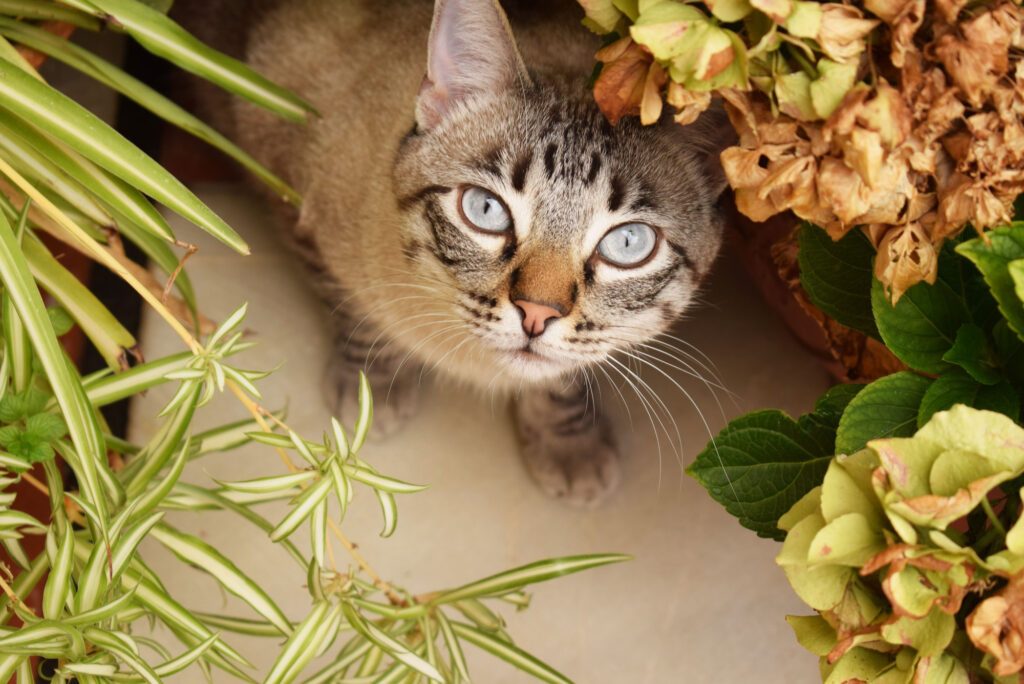
Cats are curious creatures with a natural inclination for nibbling on grass. While it may seem unusual, this behavior is quite common and even beneficial for our feline companions. Providing your cat with access to safe and appropriate grass can offer numerous health benefits and enrich its overall well-being. In this article, we’ll explore the different types of grass that cats can eat and why it’s important to incorporate them into their diet.

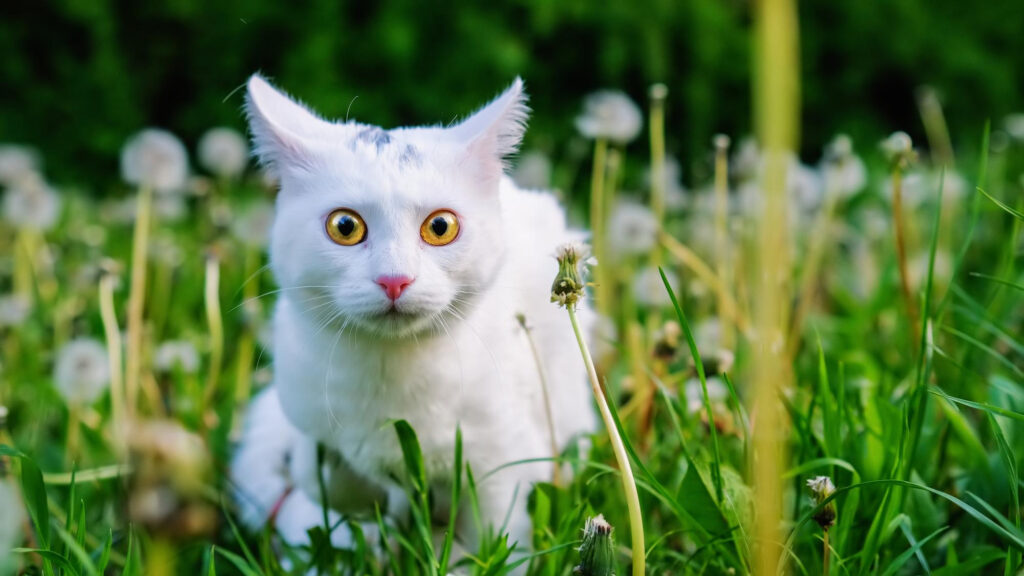
Cat Grass:
Cat grass, also known as catnip grass, is a popular choice for cats. It’s a fast-growing and easy-to-maintain grass that is safe for feline consumption. Cat grass provides essential nutrients, including fiber, vitamins, and minerals, which aid in digestion and promote overall gut health. Additionally, chewing on cat grass can help cats eliminate hairballs and reduce the risk of constipation.
Wheatgrass:
Wheatgrass is another grass that cats can safely consume. It is rich in chlorophyll, which acts as a natural detoxifier and contains antioxidants that help support a healthy immune system. Wheatgrass is also known to provide a mild laxative effect, aiding in digestion and preventing the formation of hairballs.
Barley Grass:
Barley grass is an excellent choice for cats, offering similar benefits to cat grass and wheatgrass. It is packed with vitamins, minerals, and enzymes that aid in digestion and promote a healthy coat. Barley grass also contains amino acids that support muscle development and repair.
Meadow Grass:
Meadow grass, also called Timothy grass, can be a suitable option for cats as well. It provides essential fiber and helps with digestion. Meadow grass is often found in pre-packaged cat grass kits and can be a convenient choice for cat owners.

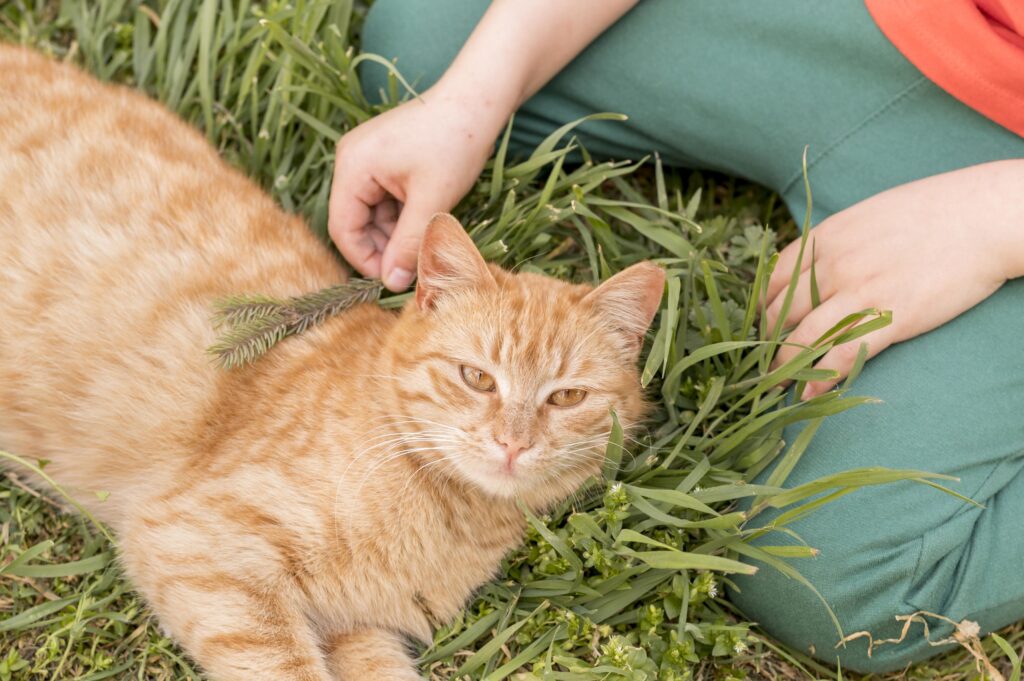
Why is Grass Important for Cats?
Aids in Digestion:
Grass acts as a natural source of fiber, which helps regulate your cat’s digestive system. It can aid in preventing constipation, promoting healthy bowel movements, and reducing the likelihood of hairball formation.
Provides Enrichment:
Chewing on grass provides a form of mental and physical stimulation for cats. It satisfies their natural instinct to nibble and explore, helping to alleviate boredom and provide environmental enrichment.
Natural Hairball Remedy:
Cats groom themselves regularly, resulting in the ingestion of loose hair. Grass acts as a natural hairball remedy by providing a source of fiber that helps move hair through the digestive system, reducing the likelihood of hairballs.
Prevents Destructive Behavior:
By offering cats appropriate grass to chew on, you can redirect their chewing behavior away from household plants, furniture, or other potentially harmful items.
Safety Considerations:
When introducing grass to your cat, ensure it is free from pesticides, herbicides, and other chemicals that may be harmful to its health. It’s best to grow your own grass or purchase organic and cat-safe grass from reputable sources. Additionally, monitor your cat’s consumption and remove any grass that appears to be causing digestive issues or discomfort.

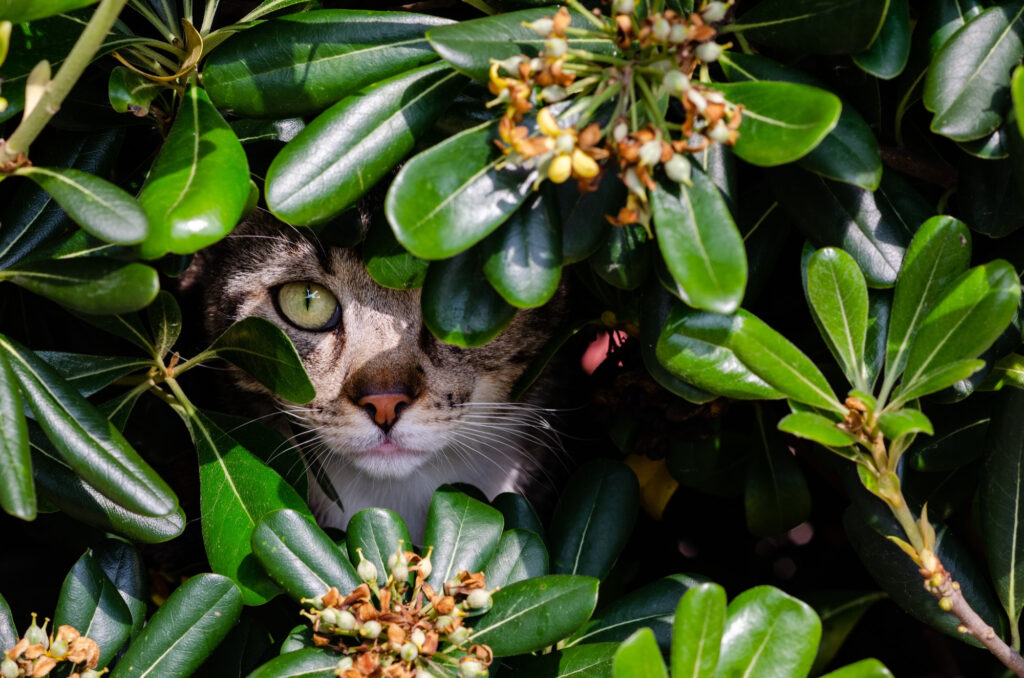
In conclusion, providing your cat with access to safe and suitable grass can offer numerous health benefits and help fulfill its natural instincts. Whether it’s cat grass, wheatgrass, barley grass, or meadow grass, incorporating these greens into your cat’s diet can contribute to their overall well-being and provide them with a healthy and satisfying treat.
Keeping Your Feline Friends Away from Flowerpots: Tips and Strategies
Cats are curious creatures, and their innate curiosity often leads them to explore every nook and cranny of our homes, including our beloved flowerpots. While it may seem harmless, their fascination with flowerpots can pose risks to their safety and the well-being of your plants. In this article, we’ll explore some effective strategies to prevent cats from munching on your precious flowers and plants.
Choose Cat-Friendly Plants:
One way to address the issue is by selecting plants that are safe and non-toxic for cats. Research and choose cat-friendly options, such as spider plants, Boston ferns, or catnip. By having plants that are safe for your feline friend, you can redirect their attention to more appropriate vegetation.
Create Distractions:
Cats often engage in undesirable behaviors when they’re bored or seeking stimulation. Providing alternative sources of entertainment can divert their attention from the flowerpots. Consider offering interactive toys, scratching posts, or puzzle feeders to keep them mentally and physically engaged.
Use Natural Deterrents:
Cats have sensitive noses and are often deterred by certain smells. Sprinkling natural deterrents around the flowerpots can help discourage them from approaching. Citrus peels, coffee grounds, or diluted vinegar can act as effective natural repellents. However, ensure that these substances won’t harm your plants.

Utilize Physical Barriers:
Placing physical barriers around the flowerpots can prevent cats from accessing them. You can use wire mesh, decorative fences, or even repurposed baby gates to create a physical boundary. This will create a visual cue for your cat that the area is off-limits.
Employ Water Spraying:
Cats generally dislike being sprayed with water. Consider keeping a spray bottle filled with water nearby and use it to gently spray your cat when they approach the flowerpots. Be consistent with this method, and over time, they will associate the flowerpots with the unpleasant experience of getting wet.
Provide Elevated Spaces:
Cats love vertical spaces and enjoy being up high. Offering elevated spaces such as cat trees, shelves, or window perches can redirect their attention away from flowerpots. By creating enticing alternatives, they’ll have their own designated spaces to explore and observe their surroundings.
Secure the Flowerpot Area:
If all else fails, you may need to restrict your cat’s access to the flowerpot area entirely. Consider using baby gates, closed doors, or even indoor fencing to create a barrier between your cat and the plants. This way, you can ensure the safety of both your cat and your beloved flora.

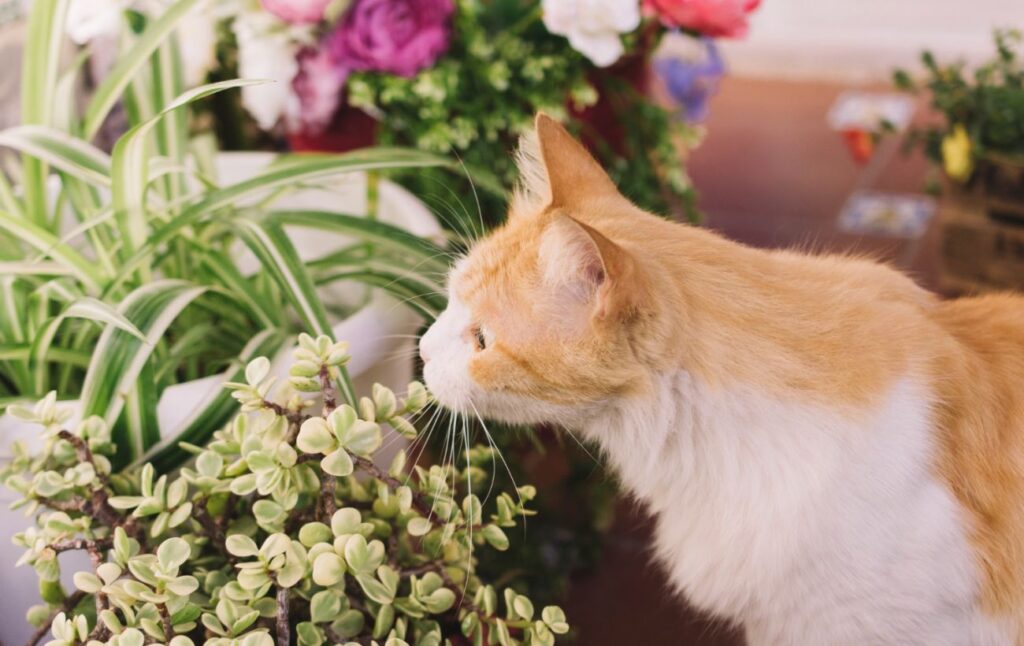
Remember, patience and consistency are key when training your cat to stay away from flowerpots. Be sure to provide plenty of positive reinforcement and rewards when they display appropriate behaviors. With time, proper redirection, and a bit of creativity, you can successfully prevent your cats from indulging in your flowerpots, allowing your plants to thrive while keeping your feline friends safe and happy.