


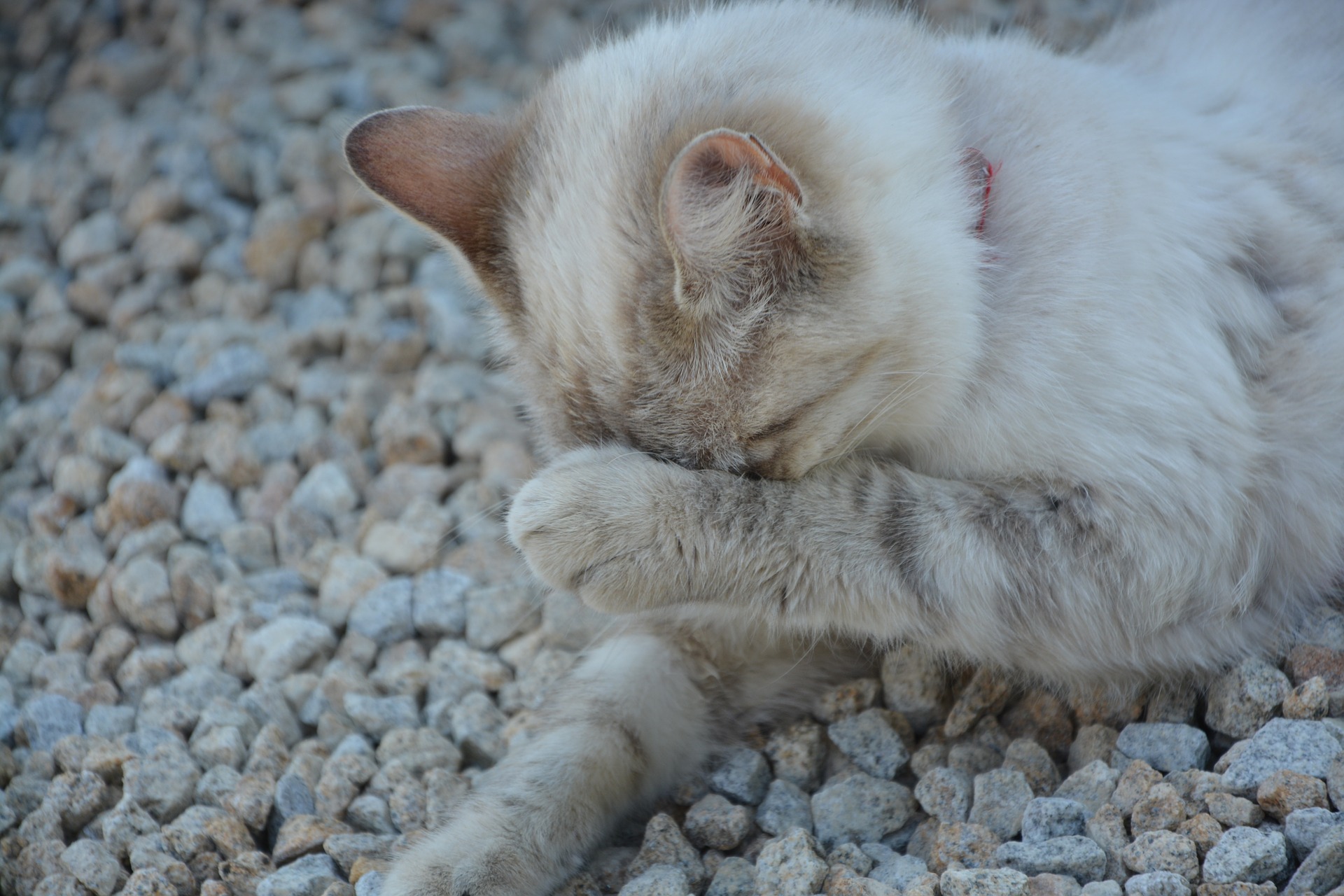
Can cats get cystitis? They absolutely can, and unfortunately it happens more often than most owners expect. Cystitis is one of the most common lower urinary tract problems we see in house cats, and because the early signs are easy to mistake for a behavior issue, it frequently goes unnoticed until the cat is in real distress. In this guide we explain what cystitis is, what triggers it, and when a trip to the veterinarian shouldn’t wait.
Key Takeaways
- Cystitis is inflammation of the bladder. It can occur on its own or alongside another illness such as a urinary infection.
- Acute cystitis is painful and comes on fast; chronic cystitis can simmer quietly for a long time with vague, easy-to-miss signs.
- A cat that strains to urinate, cries in the litter box, or passes little to no urine needs a veterinarian promptly, and a fully blocked cat is a life-threatening emergency.
- Common triggers include chilling and drafts, poor diet and low water intake, underlying infection, a weakened immune system, and abdominal or back injuries.
- Good daily care, steady hydration, and routine wellness checks are your best defense against recurrence.
What Is Cystitis?
Cystitis is inflammation of the bladder. It may be a primary problem on its own, or it may be secondary, developing alongside another condition such as a bacterial infection or a chronic illness. Veterinarians generally recognize two forms. Acute cystitis announces itself quickly with obvious symptoms, while chronic cystitis can run a blurred, drawn-out course, causing low-grade trouble for weeks or months without the dramatic warning signs that prompt owners to act.
Acute cystitis is genuinely uncomfortable for a cat. The pet is in pain, struggles to urinate, seems restless and anxious, and may cry out in the litter box. Its condition can deteriorate rapidly, so the sooner the cat gets to a veterinarian, the better the outcome tends to be. Cystitis is common and can develop at any age, in any breed, and even in cats that otherwise appear perfectly healthy. Bladder inflammation in cats often falls under the broader umbrella of feline lower urinary tract disease, and in many cases no single infectious cause is ever identified, which is one reason professional diagnosis matters so much (Cornell Feline Health Center).


What Causes Cystitis in Cats?
Several different factors can set off bladder inflammation, and in practice a cat’s problem may trace back to more than one of them at once. These are the causes we see most frequently:
- Chilling and cold exposure. This is one of the most common triggers. Strong drafts and sudden temperature swings, especially in a cat whose immune system is already run down, can readily provoke an episode. Keep your cat off drafty spots and cold floors, and if your home runs cold, hairless breeds in particular benefit from a warm sweater.
- Metabolic and dietary problems. Poor-quality food or water, too little fluid intake, an unbalanced diet, overfeeding, or underfeeding can all disrupt normal metabolism and contribute to cystitis. Consistent hydration is especially protective for the urinary tract.
- Other underlying diseases. Cystitis can arise as a consequence of an infection or a chronic condition. Viruses and bacteria travel through the bloodstream, so a problem that starts in one part of the body can spread and inflame the bladder.
- A weakened immune system. Anything that taxes the immune system leaves a cat more vulnerable, including long courses of antibiotics, ongoing stress, and parasite infestations. When the body’s defenses are down, a common problem like cystitis is quick to take hold.
- Abdominal and back injuries. Trauma to the belly can cause local bleeding that inflames the bladder wall. Back injuries carry a risk of a pinched nerve, which can disrupt normal urination and set off an inflammatory response of its own.
These are the main causes, but in practice there are many more. The most reliable way to prevent the disease is to give your cat proper day-to-day care, keep fresh water available at all times, and stay alert to changes in its health. For general guidance on keeping cats well, the ASPCA’s cat care resources are a solid starting point.
Signs to Watch For
Because cystitis can mimic a simple litter box aversion, it helps to know the pattern. Cats with bladder inflammation often make frequent trips to the box, strain and produce only small amounts of urine, cry or vocalize while urinating, lick at the genital area more than usual, or begin urinating outside the box. Blood-tinged urine is another red flag. Any of these signs warrants a veterinary visit. If a cat, particularly a male, is straining hard and passing little or no urine at all, treat it as an emergency and seek care immediately, as a urinary blockage can become fatal within a day.
Frequently Asked Questions
Can cystitis in cats go away on its own?
Mild flare-ups sometimes seem to settle down, but that is risky to count on. Untreated inflammation tends to return, and what looks like ordinary cystitis can be masking a urinary blockage or infection that needs treatment. A veterinarian can confirm the cause and prevent a minor episode from becoming a crisis.
Is cystitis an emergency?
It can be. A cat that is straining but producing little or no urine, crying in pain, or becoming lethargic needs urgent veterinary care. This is especially true for male cats, who are more prone to complete urinary blockages that are life-threatening if not relieved quickly.
How can I help prevent cystitis in my cat?
Focus on the basics: keep fresh water available and encourage drinking, feed a balanced diet, keep your cat warm and out of cold drafts, reduce household stress, and keep the litter box clean. Regular wellness exams help catch urinary problems early, before they turn into painful episodes.
Does stress really cause cystitis in cats?
Stress is a well-recognized contributor to feline bladder inflammation. Changes in routine, new pets or people, and a tense home environment can all play a role, which is why calm surroundings and enrichment are part of both prevention and recovery.