
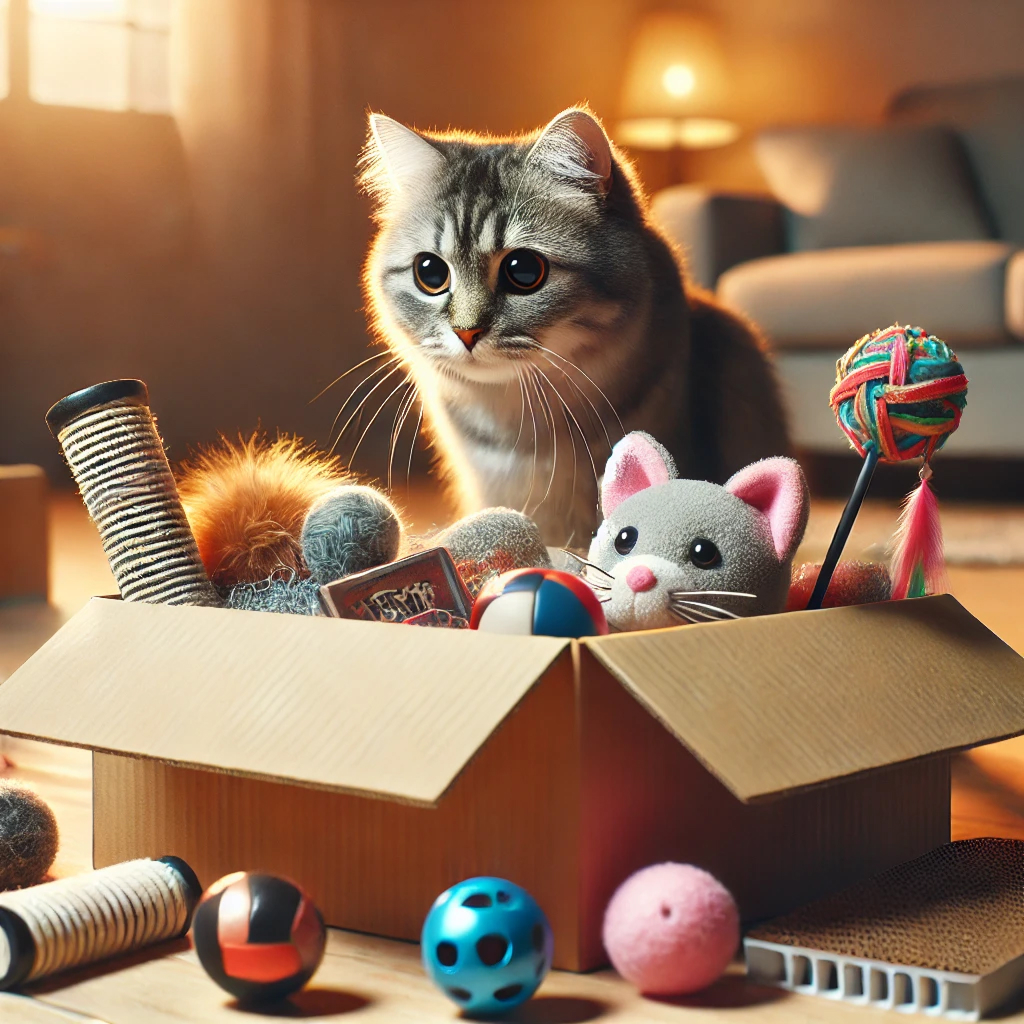
Cats are curious, energetic little hunters, and they need real outlets for climbing, chasing, and hiding every single day. A dedicated play complex satisfies those instincts, but store-bought cat trees and enrichment centers can cost a small fortune. The good news: with a few basic materials you probably already have at home, you can build engaging, cat-approved setups yourself.
Key Takeaways
- Homemade play complexes let you satisfy your cat’s natural urges to climb, hunt, and hide without spending a lot of money.
- Everyday items like cardboard boxes, scrap wood, and yarn can become tunnels, mazes, perches, and toys.
- Daily active play supports physical fitness, sharpens problem-solving, and helps prevent boredom-driven behavior problems.
- Material safety matters most: choose non-toxic supplies, skip small swallowable parts, and sand down any sharp edges.
Ideas for Homemade Play Complexes
Ramps, Ledges, and Climbing Spots
Cats are wired to seek height, and a good vantage point makes them feel safe and in control. You can build small ramps, platforms, or wooden ladders to create an ideal climbing zone. Boards, brackets, or even a piece of repurposed furniture all work well, and vertical space is especially valuable in smaller homes where floor room is limited.
Fabric and Tube Tunnels
Tunnels are the perfect spot for cats to hide, ambush, and nap. You can sew one from fabric or repurpose a length of wide, rigid tubing. Most cats love darting through a tunnel and springing out the other end, which taps directly into their predatory play drive.
Hanging Toys
Climbing is only half the fun; cats also need something to swat and chase. Suspend lightweight toys from a sturdy overhead structure so your cat can leap, bat, and “catch” a moving target. Rotating a few different dangling toys keeps the setup interesting, since novelty is a big part of what holds a cat’s attention.
Cardboard Boxes and Platforms
If you have several large cardboard boxes on hand, you can join them into one sprawling play area. Cut connecting doorways between them and stack a few for extra levels. The result is part playground and part cozy retreat, and it costs you nothing but a little time. Cats are famously drawn to boxes, so this is often the easiest win of all.
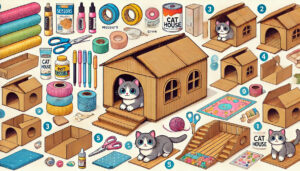
How to Build a Simple Cardboard Cat House
To make a simple but genuinely fun cat house, all you really need is a sturdy cardboard box and a few basic tools. Gather your materials first:
- One large cardboard box
- Scissors or a utility knife
- A pencil
- A ruler
- Glue or tape
Once everything is ready, follow these steps:
- Mark the door and windows. On the side of the box, outline the openings. Draw a rectangle or circle sized comfortably for your cat to pass through.
- Cut out the openings. Using scissors or a utility knife, carefully cut along your lines, making sure the edges aren’t rough or sharp.
- Line the inside. Add a soft cloth or an old sweatshirt to create a warm, inviting nook your cat will want to curl up in.
- Decorate the outside. If you want the house to look as good as it works, paint it with non-toxic, water-based paint or add colorful paper. Let any paint dry fully and air out before your cat moves in.

Why Build Your Own Instead of Buying?
Going the DIY route has a few clear advantages. The most obvious is cost savings: you can skip the price tag on commercial toys and complexes and put that money toward vet care or quality food instead. You also get an individual approach, tailoring the design to your cat’s specific habits, size, and preferences rather than settling for a one-size-fits-all product. And for many owners, the building itself is half the appeal, a genuinely rewarding creative project that turns spare materials into something your pet will actually use.
Two Easy DIY Cat Toys to Try
Yarn Pom-Poms
You’ll need wool or acrylic yarn and a pair of scissors. Wind the yarn around two fingers or a small cardboard circle, then carefully slide it off and tie it tightly through the middle with a separate length of yarn. Cut the loops open to fluff it out into a ball, and trim any uneven strands until you have a neat, battable pom-pom. Because loose string can be a swallowing hazard, keep these toys for supervised play and put them away afterward.
Cardboard Box Maze
Grab a cardboard box, a utility knife or scissors, and some tape or glue. Cut several paw-sized holes in the top and sides, then glue in cardboard dividers to form a simple maze inside. Drop in a ball or small toy, and your cat will reach through the openings trying to fish out the “prey.” It’s a satisfying puzzle that rewards patience and keeps busy paws occupied.


Why Play Matters for Your Cat
Play isn’t just fun; it’s a core part of a cat’s health and well-being. Active play helps maintain physical fitness, exercises problem-solving skills, and relieves stress. Without enough stimulation, cats can grow bored, and that boredom often surfaces as destructive behavior or other issues. The ASPCA and Cornell University’s Feline Health Center both emphasize environmental enrichment, including climbing structures, hiding spots, and daily interactive play, as an important part of keeping indoor cats physically and mentally healthy.
Making toys yourself is a great way to provide that enrichment without overspending. From scrap materials you can put together balls, toy mice, mazes, and more that will hold your cat’s interest. Pair those with a comfortable rest area, a spot with a cozy bed, a scratching post, and a few favorite toys, and you’ve covered both the active and restful sides of a cat’s day. Investing in play and comfort makes your cat’s life richer and your home noticeably calmer.
Safety First: Choosing the Right Materials
When you build toys for your cat, the materials matter just as much as the design. Some adhesives, paints, and synthetic fabrics contain substances that can be harmful if a cat chews or swallows them, so a little caution goes a long way. Keep these guidelines in mind:
- Choose natural fabrics such as cotton, felt, or jute.
- Avoid small parts like buttons and beads that could be chewed off and swallowed.
- Stick to non-toxic, water-based glue, or use stitching instead of adhesive where you can.
- Skip loose aluminum foil, which can cause problems if ingested.
- Sand or trim any sharp edges on cardboard and wood.
By paying attention to material safety, you keep playtime fun and protect your cat’s health at the same time. If you’re ever unsure whether a material is safe, it’s worth checking with your veterinarian; the American Veterinary Medical Association is another helpful resource for pet-owner guidance.

Frequently Asked Questions
How much time should I spend playing with my cat each day?
Most cats do well with a couple of short, focused play sessions of roughly 10 to 15 minutes each, though this varies by age and energy level. Interactive play where you move a toy for your cat to chase is especially valuable, and a homemade complex gives them something to explore on their own between sessions.
Are cardboard cat houses and toys safe?
Yes, as long as you build them thoughtfully. Remove staples, use non-toxic and water-based paints or glue, and make sure there are no small pieces your cat could chew off and swallow. Supervise play with any toy that includes string or yarn, and replace cardboard once it becomes shredded or soggy.
My cat ignores the toys I make. What can I do?
Novelty and scent are powerful motivators. Rotate toys in and out so they feel new, try rubbing a little dried catnip on them, and experiment with different textures and movement. Many cats also prefer toys that mimic prey, so a maze that hides a ball or a dangling toy that darts unpredictably often works better than a static object.
How much vertical space does a cat really need?
More than most homes provide by default. Cats feel safest when they can climb and survey their territory from above, so even a few sturdy perches or ledges at different heights can make a big difference, especially in multi-cat households or smaller apartments where floor space is tight.