
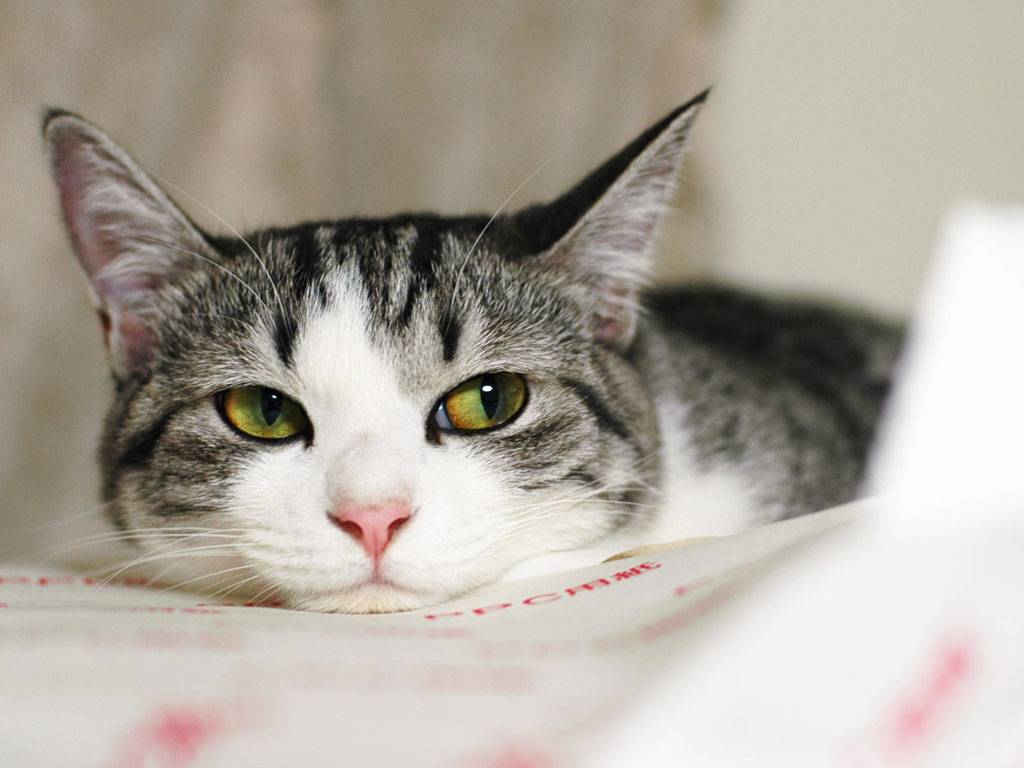
Any surgery places real stress on a cat’s body, from a routine spay or neuter to a more involved abdominal procedure. How quickly your cat bounces back depends on two things: the complexity of the operation and the quality of the care you provide at home. The good news is that thoughtful, attentive aftercare can make a meaningful difference. Here is how to support your cat through a calm, comfortable recovery.
Key Takeaways
- Follow your veterinarian’s discharge instructions exactly, especially the full course of any prescribed medication.
- Set up a warm, quiet, low-to-the-ground resting spot away from drafts, other pets, and high surfaces.
- Keep the cat from licking or chewing the incision, typically with an e-collar or recovery suit.
- Monitor the surgical site daily and watch for warning signs like swelling, discharge, or fever.
- Limit activity, encourage hydration, and call your vet with any concerns rather than guessing.
Follow Your Veterinarian’s Instructions to the Letter
Your veterinarian’s discharge instructions are the foundation of a smooth recovery. Follow them closely and resist the urge to self-medicate or improvise. If antibiotics or pain medication have been prescribed, give the full course exactly as directed, for the complete number of days, even if your cat seems to be feeling much better partway through. Stopping early is one of the most common reasons recovery stalls. Never give human pain relievers such as acetaminophen or ibuprofen, which are toxic to cats and can be fatal.


Monitor Your Cat Closely in the First Days
The first few days after surgery are when problems are most likely to surface, so plan to be present and observant. If you can take a day or two off work, this is the time. A recovering cat benefits from steady, gentle supervision: keep an eye on body temperature, appetite, urination and bowel movements, and the appearance of the incision. Keep your veterinarian’s phone number close at hand. If anything seems to be getting worse, or if you simply have a question, do not hesitate to call.
Care for the Incision
Always get specific wound-care instructions from the clinic that performed the surgery, since recommendations vary by procedure. The guiding principle is hygiene: keeping the area clean prevents the inflammation that leads to infection.
Do not apply iodine or any harsh, alcohol-based antiseptic to the incision, as these can burn delicate healing tissue. Veterinarians more often recommend a gentle, pet-safe antiseptic such as diluted chlorhexidine or a product like Vetericyn, which clean effectively without stinging. When in doubt, ask your vet which product is appropriate and how often to use it. According to the American Veterinary Medical Association, keeping the incision clean and dry and preventing your pet from disturbing it are the keys to uncomplicated healing.


Stop Your Cat From Licking the Stitches
Cats instinctively groom wounds, but licking or chewing the incision can pull out stitches, introduce bacteria, and trigger inflammation that delays healing. Block access to the site with a recovery cone (the classic e-collar), a soft inflatable collar, or a snug surgical recovery suit. Many cats protest at first, then settle within a day. Keep the collar on until your veterinarian confirms the incision has fully healed, even overnight.
Set Up the Perfect Place to Rest
In the day or so after surgery, anesthesia can leave a cat wobbly and uncoordinated. To prevent a fall or injury, set up a calm, warm resting spot at floor level, away from drafts, doorways, stairs, and appliances. The same goes for any frail or senior cat. If your cat is young and bouncy and likely to try jumping onto a bed or chair, gently discourage access to high surfaces while the anesthesia wears off.
Cats also tend to run cool after surgery, so your job is to keep your pet from getting chilled. A soft bed with raised sides and a warm blanket help conserve body heat and create a sense of security.


Support the Immune System With Good Nutrition
A nourishing diet gives the body the raw materials it needs to heal. Your veterinarian may recommend a specific recovery diet, especially if your cat’s appetite is reduced, so follow that guidance rather than switching foods on your own.
Some owners also use a veterinary recovery supplement or prebiotic drink, such as Viyo Recuperation, to encourage drinking and gentle gut activity during recovery. Anesthesia can slow intestinal movement (a temporary condition called ileus or atony), which sometimes leads to constipation and discomfort in the first days after abdominal surgery. Prebiotics and recovery drinks can help support normal digestion during this window. Ask your vet whether a supplement makes sense for your cat before adding anything new.
Keep Fresh Water Available at All Times
Make sure clean, fresh drinking water is always within easy reach. Hydration matters during recovery, and a cat that is still groggy may not travel far to find a bowl, so place water close to the resting area.


Protect Your Cat’s Rest and Peace
Rest and sleep are among the most important ingredients in recovery. Keep the environment quiet and free of disruption from other pets, children, loud noises, and other stressors. A predictable, low-stimulation space lets the body put its energy toward healing.
Let One Trusted Person Provide the Care
A weakened cat coming off anesthesia may feel stressed or even frightened, and can behave out of character. This is not the moment for extra handling or play. Disturb your cat as little as possible, and where you can, let a single person your cat trusts most handle feeding, medication, and check-ins. Familiarity is reassuring.
Limit Physical Activity
In the early recovery period, strenuous activity, jumping, and rough play are off-limits, because they can strain the incision and slow healing. Your cat’s energetic, playful self will return in time. Exactly how soon, and at what pace, depends on the procedure, so let your veterinarian guide the return to normal activity.


When to Call Your Veterinarian
Most recoveries go smoothly, but a few signs warrant a prompt call to your clinic. Contact your veterinarian if you notice any of the following:
- Redness, significant swelling, heat, or discharge at the incision
- Stitches that have opened, or the wound separating
- Lethargy, refusal to eat or drink for more than a day, or repeated vomiting
- Difficulty urinating or no bowel movement after several days
- A fever, persistent shivering, or labored breathing
- Signs of significant pain that are not controlled by prescribed medication
For more guidance on monitoring feline health and recognizing when something is wrong, the Cornell Feline Health Center is an excellent, vet-backed resource.
Frequently Asked Questions
How long does it take a cat to recover from surgery?
It depends entirely on the procedure. Routine operations like a spay or neuter often see cats acting close to normal within a few days, with the incision typically healed in about 10 to 14 days. More involved surgeries take longer. Your veterinarian can give you a realistic timeline and will usually schedule a recheck or suture removal.
How long should my cat wear the recovery collar?
Keep the e-collar or recovery suit on until your veterinarian confirms the incision has fully healed, which is commonly around 10 to 14 days for routine procedures. Removing it too early is a frequent cause of licked-open, infected wounds, so it is worth the inconvenience to leave it on, including at night.
Is it normal for my cat to not eat after surgery?
A reduced appetite on the first day is common, partly from the lingering effects of anesthesia. Offer a small amount of an easily digestible or prescribed food. If your cat refuses food and water for more than 24 hours, or seems increasingly weak, call your veterinarian.
Can I let my other pets near the recovering cat?
It is best to keep other pets separated during the early recovery period. They can disturb your cat’s rest, bump the incision, or cause stress. Reintroduce them gradually once your cat is steadier and your veterinarian gives the go-ahead.
What can I give my cat for pain after surgery?
Only the pain medication your veterinarian has prescribed, at the exact dose and schedule directed. Never give human painkillers such as ibuprofen or acetaminophen, which are highly toxic to cats. If your cat seems to be in pain despite the prescribed medication, contact your vet rather than adding anything yourself.
Be patient and attentive, and give your cat the calm, careful support recovery requires. With good aftercare and a watchful eye, most cats heal comfortably and are soon back to their happy, energetic selves. We wish your companion a speedy recovery.