
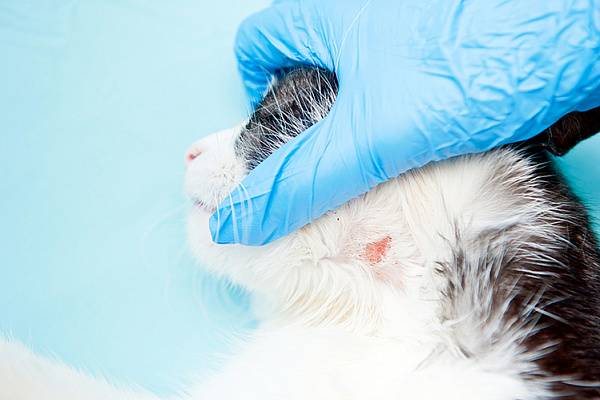


The skin is your cat’s largest organ, and it works harder than almost any other. It shields the body against injury, extreme cold and heat, dehydration, and invading microbes, all while forming a first line of defense against the outside world. With a job that demanding, it is no surprise that skin problems are among the most common reasons cats end up at the vet. Below, we walk through the feline dermatological conditions that turn up most often, the warning signs to watch for, and the everyday steps that keep your cat’s coat and skin healthy.
Key Takeaways
- Skin disease can appear suddenly at any age, in any breed, and in cats that otherwise seem perfectly healthy.
- Redness, flaking, persistent scratching, sores, rashes, and bald patches all warrant a veterinary exam rather than home guesswork.
- Because so many skin conditions look alike, an accurate diagnosis usually depends on testing, not appearance alone.
- Consistent parasite control, good hygiene, a balanced diet, and low stress dramatically lower the odds of trouble.
- The earlier treatment begins, the easier most skin problems are to resolve.
Recognizing the Warning Signs
Almost everyone has had a rash or a bout of dermatitis at some point, and cats are no different. On your cat, the clues usually show up as redness or flaking, frequent scratching, sores, rashes, or thinning fur and bald patches. Any of these changes is a reason to book a veterinary visit rather than wait and see. Itching and the scratching that follows do more than make your cat miserable; they break the skin’s surface and open the door to secondary infection.
Diagnosing skin disease is rarely straightforward. Many conditions produce nearly identical symptoms, and a long list of factors can trigger them, so a veterinarian typically relies on a hands-on exam plus targeted testing, such as skin scrapings, fungal cultures, or allergy workups, to pinpoint the cause. The good news is that the sooner treatment starts, the easier the problem is to bring under control.
Skin problems can surface quite suddenly, at any age, and regardless of a cat’s overall health, breed, or sex.
The Most Common Skin Conditions in Cats
A handful of conditions account for the majority of feline skin complaints: ringworm, mange (mite infestations), bacterial infections, flea allergy and atopic dermatitis, and food allergy or food intolerance. Some are contagious and picked up from other animals, such as other cats or dogs, while others develop as a reaction to something in the cat’s environment or diet. The table below summarizes how these conditions differ.


| Condition | What it is | Typical signs | Contagious? |
|---|---|---|---|
| Ringworm | A fungal infection of the skin and hair (not a worm) | Circular areas of hair loss, scaling, crusting | Yes, to other pets and people |
| Mange | Skin irritation caused by parasitic mites | Intense itching, crusting, hair loss, thickened skin | Yes, cat to cat |
| Bacterial infection | Overgrowth of bacteria, often secondary to another problem | Pustules, redness, oozing, sores | Usually not directly |
| Flea allergy dermatitis | An allergic reaction to flea bites | Scratching, scabs, hair loss around the tail base and back | No (but fleas spread) |
| Atopic dermatitis | Allergy to environmental triggers such as pollen or dust | Itching, facial and neck irritation, over-grooming | No |
| Food allergy / intolerance | An adverse reaction to an ingredient in the diet | Itchy skin, sometimes with digestive upset | No |
Because the treatments differ so widely, from antifungals to parasite control to dietary changes, self-diagnosis is risky. Two cats with matching bald spots can have completely different underlying problems, which is exactly why a professional workup matters. Reputable veterinary resources such as the Cornell Feline Health Center and the ASPCA are good starting points for understanding these conditions, but they are no substitute for an exam.
How to Lower Your Cat’s Risk
You can’t shield your cat from every irritant or predict exactly how its body will react, but a few consistent habits go a long way toward keeping skin problems to a minimum:
- Keep your cat on a reliable parasite-prevention program.
- Limit contact with other animals, especially strays and unknown outdoor cats.
- Follow a regular grooming and hygiene routine suited to your cat’s coat and needs.
- Feed a balanced diet that supplies the vitamins, minerals, and fatty acids that skin health depends on. Cats with diagnosed skin disorders are sometimes placed on a special therapeutic diet to support skin function.
- Reduce stress in the household as much as possible.
- Monitor your cat’s overall health and catch changes early.
Keep in mind that anything that weakens the immune system can show up as a skin problem.
Treatment always depends on the specific diagnosis and should be directed by a veterinarian based on exam findings and test results. Guesswork and over-the-counter remedies can make matters worse, so leave the treatment plan to a professional. For general guidance on preventive care, the American Veterinary Medical Association offers owner-focused resources worth bookmarking. Look after your cat, stay attentive to changes in the skin and coat, and you give your companion the best chance of staying comfortable and healthy.
Frequently Asked Questions
What are the first signs of a skin problem in cats?
The earliest clues are usually increased scratching, licking, or grooming, along with redness, flaking, small scabs, or patches of thinning fur. Because early signs are subtle, it helps to run your hands over your cat regularly so you notice new bumps, bald spots, or irritated areas quickly.
Is ringworm in cats dangerous to humans?
Ringworm is a fungal infection that can spread from cats to people, so it should be treated promptly and handled with good hygiene. It is generally not serious in healthy adults, but children, older adults, and anyone with a weakened immune system should be especially careful and consult a physician if a rash develops.
Can food cause skin problems in cats?
Yes. Food allergies and intolerances can trigger itchy skin, sometimes alongside digestive signs. Identifying the culprit usually requires an elimination diet supervised by your veterinarian, since guessing at ingredients rarely resolves the issue.
When should I take my cat to the vet for a skin issue?
Schedule a visit any time you notice persistent scratching, spreading hair loss, open sores, a foul odor, or skin that is red, swollen, or oozing. Prompt attention prevents secondary infections and makes most conditions far easier to treat.