
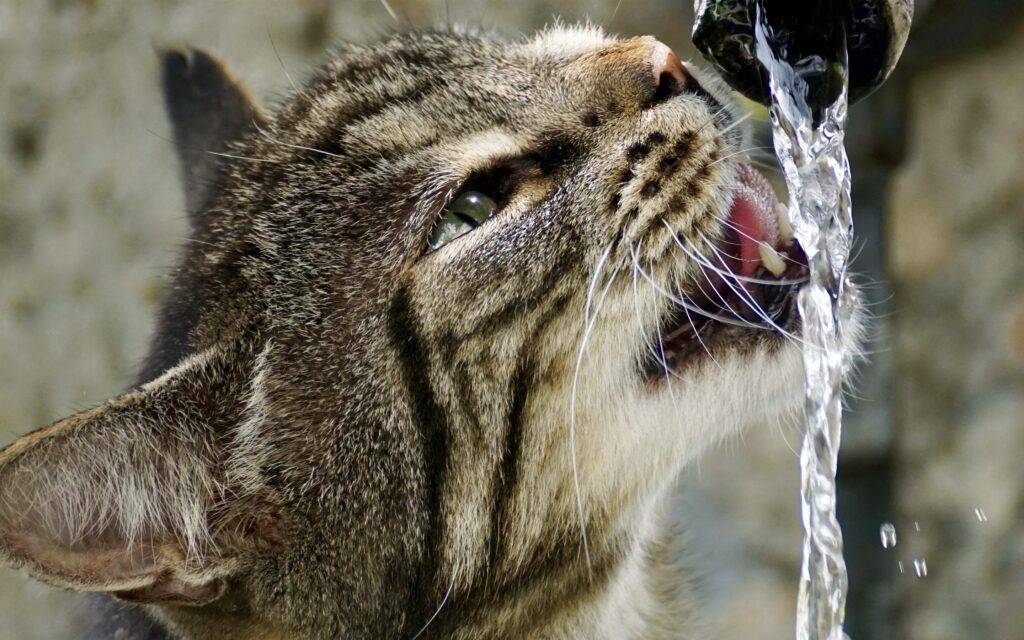
It’s one of the more puzzling cat behaviors: you set out a clean bowl of fresh water, and your cat walks right past it to drink from the bathroom faucet, lap at the aquarium, or lick droplets off the sink. Cute as it is, a cat who consistently avoids the water bowl can become a real problem. Water is essential for every bodily system, and for cats in particular, staying well-hydrated helps protect against urinary and lower urinary tract issues. So why does it happen, and what can you do about it?
Key Takeaways
- Cats are instinctively drawn to moving, fresh-smelling water, which is why faucets and aquariums often win out over a still bowl.
- Common reasons a cat snubs the bowl include the wrong size or material, a poor location, sharing with another pet, and stale or infrequently changed water.
- Wash the bowl daily and refresh the water at least once or twice a day, ideally without scented detergents.
- Offering several water stations around your home, away from food and the litter box, makes it far more likely your cat will drink reliably.


The Power of Instinct
In the wild, cats prefer to drink from flowing sources, choosing streams and running water that is clean, cool, and fresh. They also instinctively avoid drinking right where they eat, since in nature a food source near water can mean contamination. These preferences are deeply wired into the genetic memory of all cats, including the one curled up on your couch. Once you understand them, a lot of your cat’s seemingly fussy behavior starts to make sense. The ASPCA notes that fresh, clean water should always be available to keep cats properly hydrated (ASPCA).
Why Does My Cat Drink From the Faucet?


If they could, plenty of house cats would happily trade their bowl for a tap left running all day. Since most of us can’t afford that kind of waste, they make do with the bowl (or your mug, the aquarium, a bucket, even the toilet) while waiting for the moments when the water comes on.
The appeal comes back to instinct. Water from the faucet is constantly moving, just like a stream, so it reads as pure, fresh, and cool. It also makes a sound, catches the light, and can be batted at with a paw. For a curious cat, that combination is hard to resist.


Why Cats Refuse the Bowl
If your cat is ignoring the bowl entirely, one of these common culprits is usually to blame.
The bowl itself is wrong. If it’s too small or too deep, your cat may avoid it. Many cats also dislike having their whiskers brushed against the sides of a narrow bowl, so a wide, shallow dish is often a better fit.
The material is low quality. Cheap plastic can hold odors you may not even notice but that your cat absolutely does, since a cat’s sense of smell is far sharper than ours. Plastic also scratches and cracks easily, and those tiny grooves trap dirt and bacteria that affect both the taste and the cleanliness of the water. Stainless steel, ceramic, and glass are easier to keep truly clean.
The location is off-putting. Some cats refuse to drink from a bowl placed right next to their food, or from a double feeder, because stray bits of food can drift into the water and change its smell. Remember, cats instinctively avoid drinking where they eat. Avoid high-traffic spots, drafty corners, and anywhere near the litter box, cleaning supplies, or noisy appliances. All of these can discourage a cat from settling in for a drink.


The bowl is shared. Every pet should ideally have its own water source. If you have multiple cats, or a cat and a dog, give each one a separate bowl. To a self-respecting cat, drinking from the same dish the dog just used is simply out of the question.
The water quality is questionable. This is the most common reason of all, and we saved it for last because it matters most. More often than not, cats refuse the bowl because the water has gone stale or the bowl isn’t washed often enough. Wash the bowl thoroughly every day, ideally without scented detergents so no residual smell lingers, and change the water at least once and preferably several times a day.

Adequate hydration is essential to your cat’s health, so persistent bowl-avoidance shouldn’t be brushed off. Some owners decide it doesn’t matter and let the cat drink from the aquarium or sink, but that water doesn’t meet a cat’s needs any more than tea from your mug would. Your cat needs clean, fresh, room-temperature water available at all times. If your cat suddenly drinks much more or much less than usual, that change is worth discussing with your veterinarian, since shifts in thirst can signal an underlying health issue (Cornell Feline Health Center).
How to Get Your Cat to Drink From a Bowl
Putting it all together, here is a simple plan to win your cat over to the bowl:
- Choose the right bowl: wide and shallow, made of stainless steel, ceramic, or glass rather than plastic.
- Place it in a quiet, suitable spot, away from food, the litter box, cleaning supplies, and noisy machinery, and out of drafts and busy walkways.
- Clean the bowl daily, rinsing well so no detergent smell remains.
- Change the water at least once a day, more often if you can.
- Give each pet its own bowl so no one has to share.
The ideal setup is several bowls placed in different parts of your home, with the water in each refreshed regularly. Once your cat settles on a favorite watering spot or two, you can quietly retire the bowls they never use. A pet water fountain is another excellent option, since the moving water taps into that same instinct that draws cats to the faucet.
Frequently Asked Questions
How much water does a cat need each day?
A cat’s water needs depend on its size, diet, and activity level, and much of that intake can come from wet food. Rather than counting milliliters, watch for steady drinking and normal litter box habits. If you’re unsure whether your cat is drinking enough, your veterinarian can advise based on your cat’s weight and diet (AVMA).
Is it safe for my cat to drink from the faucet?
Occasional sips from a clean tap aren’t harmful, and many cats love it. The concern is relying on the faucet as the only water source, since it isn’t always available. Keep fresh water in bowls accessible at all times, and consider a pet fountain to satisfy your cat’s preference for moving water.
Should I use a water fountain instead of a bowl?
A fountain can be a great solution for cats who prefer running water, as it keeps the supply moving, filtered, and aerated. Just remember that fountains still need regular cleaning and filter changes to stay fresh, and some cats will happily use both a fountain and a traditional bowl.
When should I worry about my cat not drinking?
If your cat refuses water for more than a day, suddenly drinks far more or far less than usual, or shows signs like lethargy, dry gums, or straining in the litter box, contact your veterinarian promptly. Dehydration and urinary problems can become serious quickly in cats.