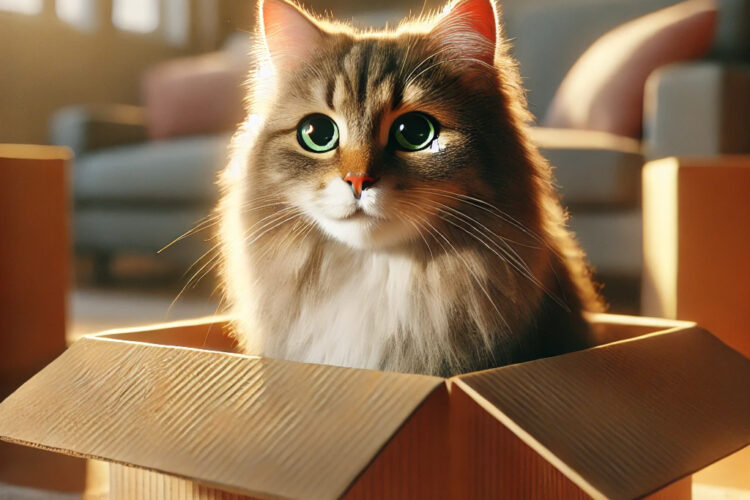
If you have ever bought your cat an expensive new toy only to watch them curl up in the cardboard box it came in, you are not alone. Cats are famous for ignoring pricey gadgets in favor of a plain empty box. It turns out this quirk is not random at all. There are real behavioral and physiological reasons behind a cat’s love of boxes, and understanding them can help you give your cat a safer, happier home.
Key Takeaways
- Boxes tap into a cat’s natural instinct to hide, ambush, and feel protected on all sides.
- Cardboard traps body heat, which helps cats stay in their preferred warm temperature range.
- An enclosed space can reduce stress and help a cat adjust to a new or busy environment.
- A few simple safety checks keep box time fun and hazard-free.
The Instinct to Hide and Ambush
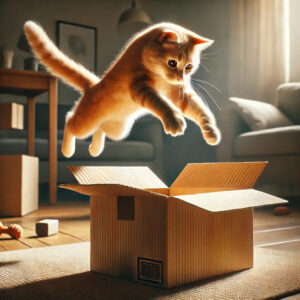
In the wild, cats are both predators and prey, and a box speaks to both sides of that nature. As hunters, cats like to stalk and pounce from concealment, and a box makes a perfect ambush spot. Many cats will crouch inside one and spring out at a passing toy, another pet, or an unsuspecting ankle.
Just as importantly, a box makes a cat feel secure. With walls on several sides, the animal can keep an eye on what is happening around it while staying largely out of view. That sense of control over the surroundings is deeply reassuring for a species that evolved to avoid becoming another predator’s meal. As the ASPCA notes, providing hiding spots is an important part of meeting a cat’s behavioral needs at home.
Warmth and Comfort
Cats simply run warmer than we do. Their preferred temperature range sits well above the temperature of most homes, so they are constantly seeking out cozy, heat-holding spots. Cardboard happens to be a good insulator: it traps the warmth a cat gives off and reflects it back, turning an ordinary box into a snug little sleeping nook. That is a big part of why a cat will pick a flimsy box over a plush pet bed sitting right next to it.
A Natural Stress Reliever
Hiding is one of the main ways cats cope with stress, and a box gives them an easy place to do it. Research on shelter cats has found that those given a hiding box tended to settle into an unfamiliar environment more quickly and showed lower signs of stress than cats without one. At home, a box offers your cat the same option: a quiet retreat from noise, visitors, young children, or other pets whenever they need a break. For more on feline stress and behavior, the Cornell Feline Health Center is a reliable resource.
Curiosity About New Things
Cats are natural investigators, and anything new in the house is worth a closer look, especially a box. If you have just unpacked a delivery, there is a good chance your cat will inspect the empty carton within minutes and settle in soon after. The novelty, the interesting smells, and the enclosed shape all combine into an irresistible invitation.
Why Are Cats Drawn to Pizza Boxes?
Plenty of owners notice their cat has a special weakness for pizza boxes, and it comes down to a few things working together. The box smells like food, and cats have a far keener sense of smell than we do. It also holds residual warmth from the hot pizza, which adds to the appeal. Finally, the thin strings or ties sometimes used to secure takeout boxes make tempting playthings. Keep an eye on those strings, though, since a cat that swallows one can end up with a serious intestinal problem.
Keeping Box Time Safe
A cardboard box is one of the safest, cheapest forms of enrichment you can offer, but a little supervision goes a long way. Keep these points in mind before you hand one over:
- Remove small parts. Pizza-box ties or packing string can cause dangerous blockages if your cat swallows them.
- Watch for glue and tape residue. Cats may chew on sticky spots, which can upset their stomach if ingested.
- Skip dirty or chemical-treated boxes. Cartons used to ship food or industrial goods can carry bacteria or chemical residue.
- Make sure the box is stable. An elevated or top-heavy box can tip over and trap your cat inside.
Boxes give cats a sense of security, warmth, and entertainment all in one. If your cat loves them, there is no reason to take the fun away, as long as you keep an eye on the safety basics above.
How to Upgrade Your Cat’s Box
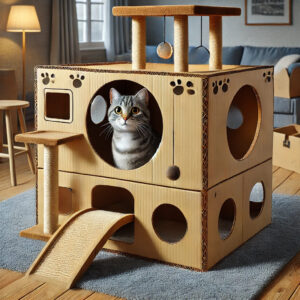
If your cat is a devoted box lover, you can turn a plain carton into a genuine play space with a few simple additions. Here are some ideas for making a box cozier and more interactive.
Cut Windows and Peek Holes
Cut a few openings in the walls so your cat can peer out or swat a paw through while playing. Varying the sizes keeps things interesting: larger holes for the head, smaller ones for the paws. You can also cut a flap-style door, or add several entrances so your cat can dart in and out freely.
Connect Boxes into a Maze
Link several boxes together with cut-out tunnels to build a cardboard castle. You can even stack them into levels for climbing, but be sure to secure everything firmly so nothing collapses under a leaping cat.
Add Bedding and a Scratching Surface
Line the inside with a soft blanket or towel to make it a comfortable place to nap. Wrapping one side in jute or sisal rope turns the box into a scratching surface, which many cats appreciate.
Build in Interactive Elements
Hang a small toy or bell from the top of the box so your cat can bat at it. Tuck a crinkly ball or piece of paper inside for a satisfying rustle. You can also shine a laser pointer through the windows now and then to spark a burst of play, just avoid pointing it directly at your cat’s eyes.
Turn It into a Hunting Zone
Cut a few small holes and hide treats inside so your cat has to work to fish them out. Dropping in a toy mouse or ball gives them prey to stalk and pounce on, satisfying that natural hunting drive.
Safety First
Before letting your cat loose on a customized box, run through a quick checklist:
- Remove staples, glue, and tape so your cat cannot chew or get scratched on them.
- Secure any multi-level structure so it cannot topple over.
- If you paint the box, use only non-toxic, pet-safe materials.
A box is far more than a piece of cardboard. With a little imagination, an ordinary carton becomes a cat house, a play maze, or a hunting simulator. Try a few of these ideas and see which ones your cat enjoys most.
Frequently Asked Questions
Is it safe to let my cat sleep in a cardboard box?
Yes, as long as the box is clean, free of staples, tape, glue, and string, and stable enough that it will not tip over. Many cats sleep more soundly in an enclosed box because the walls make them feel protected. Just remove any small parts your cat could chew off and swallow.
Why does my cat prefer the box over the bed I bought?
An open pet bed does not offer the same enclosed, protected feeling that a box does. Boxes appeal to a cat’s instincts for hiding and ambushing, and cardboard holds warmth better than many soft beds. To a cat, those benefits often outweigh the plush comfort of a store-bought bed.
Do boxes really help cats feel less stressed?
Hiding is a normal, healthy way cats cope with stress, and a box gives them a ready-made place to do it. Studies on shelter cats have linked access to a hiding box with faster adjustment to new surroundings and fewer signs of stress. At home, a box gives your cat a quiet spot to retreat to when things get overwhelming.
Are pizza box strings dangerous for cats?
They can be. String, ribbon, and similar thin materials are tempting to play with but can cause a serious intestinal blockage if swallowed. Remove any strings or ties before giving your cat a box, and contact your veterinarian right away if you suspect your cat has ingested string.

Recent Comments