

Can a cat overheat in the sun or in a stuffy room? How do you know when your cat is dangerously hot? Heat stroke is a true emergency, and recognizing it early can save your cat’s life. Here is what every owner should understand about spotting, treating, and preventing it.
Key Takeaways
- Heat stroke is the critical stage of overheating, when a cat’s body can no longer manage its own temperature. It is a medical emergency.
- Cats do not sweat the way people do, so they overheat faster and feel the effects more severely than we do.
- Early warning signs include heavy open-mouth breathing, drooling, restlessness or unusual lethargy, and gums that look bright red or pale.
- Cool your cat gradually with tepid (not ice-cold) water and get to a veterinarian right away.
- Never leave a cat in a parked car, even for a minute. The interior heats up dangerously fast.
Overheating and Heat Stroke in Cats
Overheating and heat stroke are related, but they are not the same thing. Overheating is a harmful condition in which a hot environment throws off the body’s heat balance and its core temperature starts to climb. Heat stroke is the critical endpoint of that process, the moment when the body simply cannot cope with the heat any longer. It comes with a racing heart, labored breathing, and intense thirst, and if nothing is done, those early signs give way to collapse and seizures.
Overheating can set in with prolonged exposure to direct sun, time in a stuffy or poorly ventilated room, or heavy exertion when the humidity and temperature are already high. Cats do not sweat across their bodies the way we do, and their internal cooling mechanisms work very differently from ours. They can still overheat and suffer heat stroke, and when they do, they tend to feel it far more intensely than a person would.
Any cat can suffer from heat exhaustion, including the sun-related kind, regardless of breed or age. Just a few minutes in scorching sun or a couple of minutes inside a closed car can be enough. Flat-faced (brachycephalic) breeds, overweight cats, and cats with underlying health conditions are especially vulnerable, because anything that adds strain to the body makes it harder to shed excess heat. According to the American Veterinary Medical Association, pets left in vehicles are at serious risk of heat-related illness even on days that feel merely warm.

Symptoms of Overheating and Heat Stroke in Cats
Signs can develop very quickly, so it helps to know exactly what to watch for. Warning signs of overheating and heat stroke include:
- Restless, agitated behavior or, conversely, sudden apathy and weakness
- Frantic gulping or gasping for air
- A rising body temperature
- Rapid, heavy, or open-mouth breathing (panting)
- A racing heartbeat
- Eyes held wide open
- Excessive drooling or salivation
- Dry, pale gums and mucous membranes
- Nausea or vomiting
- Loss of consciousness
- Seizures or muscle tremors
During hot weather, or when a room becomes stifling, even one of these signs is reason enough to act immediately. Symptoms escalate fast, and the consequences can be severe. A core temperature that climbs to around 106 degrees Fahrenheit (41 degrees Celsius) or higher can quickly become life-threatening. If you notice even a single symptom, contact your veterinarian as soon as possible and begin first aid. For a broader overview of feline health emergencies, the Cornell Feline Health Center is a reliable, veterinarian-reviewed resource.
How to Help an Overheated Cat
Your priority is to contact a veterinarian and get your cat to the clinic as quickly as possible. While you arrange that, begin first aid at home. Work through these steps calmly and in order:
- Move your cat to a shaded, cool spot and lay it on a cool surface.
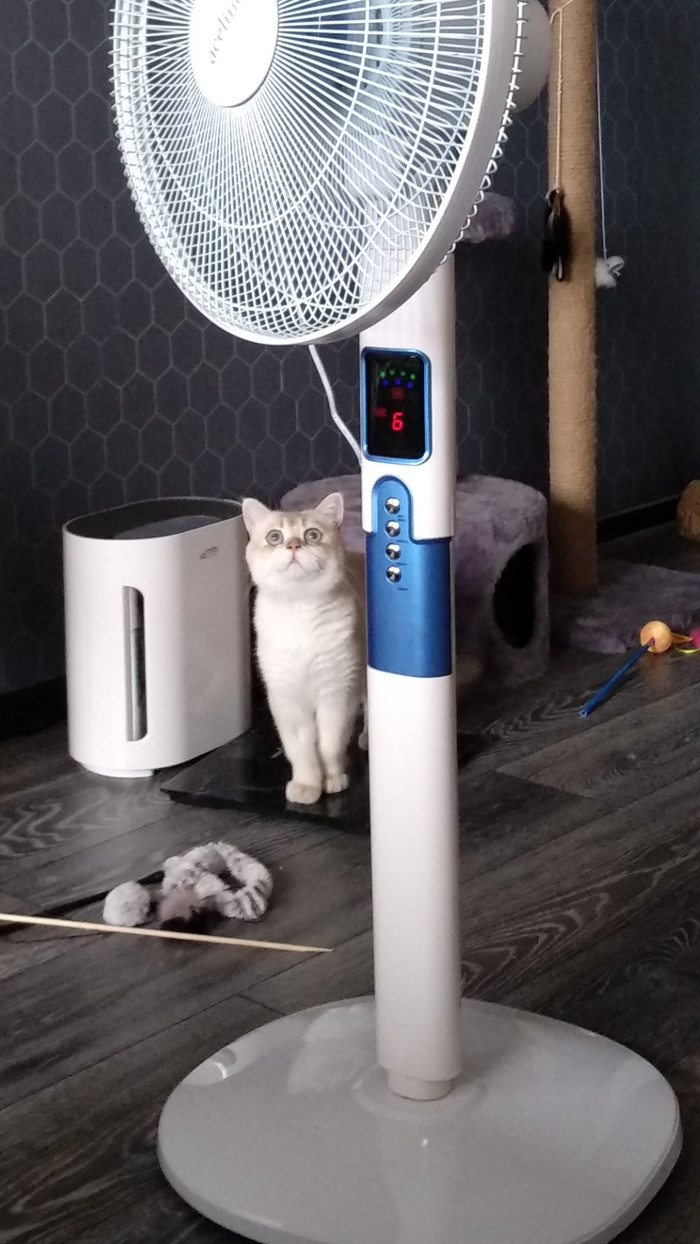
- Provide fresh air. Turn on a fan or air conditioning if you have it.
- Offer cool water to drink. Moisten the lips and set a bowl of cool water nearby. If your cat cannot drink on its own, use a needle-free plastic syringe to give small amounts: gently part the lips, slip the tip between the teeth, and release the water drop by drop rather than in a stream so your cat does not choke. Only do this if your cat is fully conscious.
- Lightly dampen the belly, armpits, and coat with cool water. Do not plunge your cat into cold water. That can trigger the blood vessels to constrict, which actually traps heat and can lead to heart failure.
- You can apply ice wrapped in a cloth to the paw pads, groin, back, and head, and place cool, damp compresses on the underarms and inner thighs.
- Monitor your cat’s temperature. It should come down gradually, not all at once.
A few things you must never do: do not submerge your cat in cold water, do not give human fever-reducing medications, and do not simply wait it out. Heat stroke will not resolve on its own. Many common human medications are toxic to cats, so never medicate without veterinary guidance, a point the ASPCA stresses in its cat care guidance.
Even after first aid, take your cat to a veterinarian or arrange a house call. Even if your cat seems to have recovered, a professional should evaluate its condition, because the aftereffects of overheating can surface over the following few days.
How to Protect Your Cat From Heat Stroke
Cats are naturally smart and cautious about heat. Left to their own devices, they usually know how to avoid overheating. You will notice that a cat rarely runs or plays during the hottest part of the day. It seeks out the coolest corner of a stuffy room, and even when it stretches out in a sunny window, it drifts back into the shade from time to time to regulate its temperature.
Trouble usually starts when people interfere with those instincts. A large share of cases trace back to an owner leaving a pet alone in a car. It takes only seconds of sun for the interior to heat up and turn the vehicle into a sauna where a cat cannot breathe. Another common cause is walking a cat outdoors in the sun. Well-meaning owners sometimes lead a cat on a harness despite its resistance. The intention is good, but without an understanding of the risk, the cat is the one who suffers.
To keep your cat safe from overheating, follow these simple rules:
- Don’t walk your cat on hot days, and don’t leave it out in the sun.
- Always keep a cool, shaded spot available in the room where your cat spends time.
- Ventilate the space frequently.
- Don’t push your cat to be active when it is hot or stuffy.
- Don’t overfeed your cat.
- Make sure clean drinking water is always within reach. If you travel, bring water and a bowl. Special sipper bottles are available that attach directly to the door of a carrier.
- Don’t shave or clip your cat. Contrary to a common myth, short hair or a shaved coat does not help a cat stay cool, and it can actually make matters worse by removing natural insulation and sun protection.
- Avoid collars or accessories that could restrict breathing.
- Most important of all, never leave your cat in a car, even for a single minute.

Consider this: even at an outdoor temperature of 68 degrees Fahrenheit (20 degrees Celsius), the inside of a car can climb toward 115 degrees Fahrenheit (46 degrees Celsius). A trapped pet has no fresh air and struggles to breathe. Because of this, many U.S. states and other countries have laws that address animals left in hot vehicles, and in some places a bystander may be legally permitted to break a window to rescue a trapped pet.
Follow these straightforward precautions and you will keep your cat well out of harm’s way. Here’s to a summer with no scares.
Frequently Asked Questions
What is a normal body temperature for a cat, and when is it dangerous?
A healthy cat’s normal body temperature is roughly 100.5 to 102.5 degrees Fahrenheit (38 to 39 degrees Celsius). Temperatures climbing above this range signal overheating, and readings near 106 degrees Fahrenheit (41 degrees Celsius) or higher are a medical emergency. If you suspect heat stroke, don’t wait to confirm a number; begin cooling and call your veterinarian.
Do cats pant like dogs when they are hot?
Cats occasionally pant to shed heat, but unlike dogs they rarely do so, so open-mouth panting in a cat is a red flag rather than normal behavior. Heavy, rapid, or open-mouth breathing in a cat almost always means it is overheated, stressed, or in respiratory distress and needs prompt attention.
Which cats are most at risk of heat stroke?
Flat-faced (brachycephalic) breeds such as Persians and Exotics, overweight cats, very young or elderly cats, and those with heart or breathing conditions are the most vulnerable. Any cat, however, can suffer heat stroke if left in a hot car, a stuffy room, or direct sun without shade and water.
How quickly can a parked car become dangerous for a cat?
Very quickly. Even on a mild day of around 68 degrees Fahrenheit (20 degrees Celsius), a closed car’s interior can rise toward 115 degrees Fahrenheit (46 degrees Celsius) within minutes. Cracking a window does little to slow it down. The only safe choice is never to leave your cat in a parked vehicle.
My cat seemed to recover after cooling down. Do I still need a vet?
Yes. Heat stroke can cause internal damage that isn’t visible right away, and complications may appear over the next several days. Always have your cat examined by a veterinarian after any overheating episode, even if it looks completely back to normal.

Recent Comments