

Key Takeaways
- A food allergy is an immune reaction to a specific ingredient, usually a protein, while a food intolerance is a digestive problem that does not involve the immune system.
- Allergies tend to show up on the skin (itching, redness, scratching, and bald patches), while intolerances tend to show up in the gut (vomiting, diarrhea, gas, and bloating).
- The most common feline food allergens are proteins a cat eats often, such as beef, dairy, chicken, and fish.
- Diagnosis relies on a supervised elimination diet, not on a single quick test.
- Once the trigger ingredient is identified and removed, most cats improve and stay comfortable long term.
Allergies are often called a disease of the modern age, and they are not limited to people. Cats can react badly to their food too, and the itching, skin trouble, or upset stomach that follows is easy to mistake for something else. Knowing the difference between a true food allergy and a food intolerance is the first step toward getting your cat comfortable again.
A food allergy and a food intolerance are two different problems that can look alike from the outside. A food allergy is an immune-system overreaction to a particular ingredient, most often a protein the cat has eaten many times before. A food intolerance, by contrast, is simply trouble digesting a food, often because the cat lacks the enzymes to break it down or metabolizes it poorly, and the immune system plays no part. That distinction matters, because it changes how the problem shows up and how your veterinarian will approach it.

How Food Allergy and Food Intolerance Show Up in Cats
The two conditions usually announce themselves in different parts of the body, which is one of the most useful clues you and your veterinarian have to work with.
Signs of a food allergy
A food allergy tends to produce the classic allergic signs, and they are mostly on the skin. You may notice a rash or redness, persistent itching, and a cat that scratches, licks, or overgrooms so much that bald patches appear. The itching is often worst around the head, neck, and ears, and because it does not come and go with the seasons, it can persist year-round.
Signs of a food intolerance
A food intolerance shows up in the digestive tract instead. When a cat cannot properly process an ingredient, the reaction is usually diarrhea, gas, bloating, or vomiting. In these cases the skin typically stays normal, which is a helpful sign that you may be dealing with a digestive problem rather than an allergic one.
Common Causes of Food Allergy and Food Intolerance
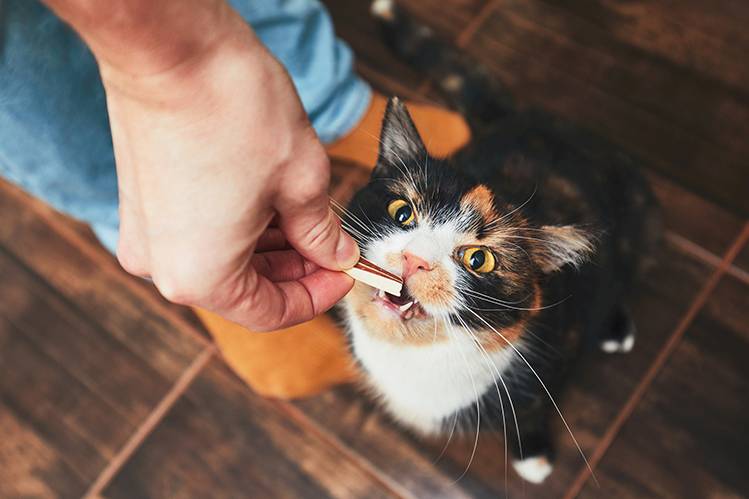
In most cats, the ingredients most likely to trigger a reaction are the proteins and other components they eat regularly. The ASPCA notes that identifying and removing the offending ingredient is central to managing food-related reactions. The usual suspects include:
- Beef
- Dairy products
- Chicken
- Fish
- Lamb
- Soy
- Grains
If your cat’s body reacts poorly to one of these components, the practical fix is to remove it from the diet and replace it with something else, so the overall ration stays complete and balanced. That last part is important: pulling an ingredient without replacing its nutritional value can create new problems, which is why diet changes are best made with veterinary guidance rather than by trial and error at the food bowl.
Diagnosis, Treatment, and Prevention

Only a veterinarian can reliably diagnose a food allergy or intolerance in a cat. The visit typically starts with a full history and a physical exam, followed by whatever tests are needed to rule out other conditions before treatment begins. This step matters more than it might seem, because many skin and digestive problems share the same outward signs.
The main challenge with a food allergy is that so many dermatological problems look the same. Food allergy and atopic dermatitis, for instance, can produce nearly identical symptoms. To tell them apart, veterinarians rely on an elimination diet: the cat is switched to a carefully chosen food that leaves out potentially allergenic and hard-to-digest ingredients, and the response is observed over a set period. These hypoallergenic diets are designed to be gentle on the system and to support healthy skin while the culprit is identified. The American Veterinary Medical Association recommends working with your veterinarian on any significant diet change so it is done safely and the results can be interpreted correctly.

A therapeutic diet is chosen by your veterinarian, not off the shelf at random. Based on your cat’s history and current condition, they can suggest which ingredients most likely caused the problem and recommend a food with an appropriate composition. From there, the plan is adjusted according to how your cat responds, and once things settle, your veterinarian will help decide on a suitable long-term diet.

Pinpointing exactly which ingredient your cat reacts to can take time and patience, since an elimination trial usually runs for several weeks before you have a clear answer. But the payoff is real: once that component is out of the diet, most cats are freed from the itching and stomach trouble that come with food allergies and intolerances, and they can go back to living comfortably.
Frequently Asked Questions
What is the difference between a food allergy and a food intolerance in cats?
A food allergy is an immune-system reaction to an ingredient, usually a protein, and it typically causes skin problems such as itching, redness, and hair loss. A food intolerance is a digestive issue that does not involve the immune system, and it usually causes vomiting, diarrhea, gas, or bloating. Because the two can overlap, a veterinarian is the best person to tell them apart.
What foods most commonly trigger allergies in cats?
The most common triggers are ingredients cats eat frequently, especially animal proteins like beef, dairy, chicken, and fish. Lamb, soy, and grains can also be culprits. A cat can develop a reaction to a food it has eaten without trouble for years, so a long history with an ingredient does not rule it out.
How is a food allergy diagnosed in cats?
There is no single quick test that reliably confirms a food allergy. The standard approach is a supervised elimination diet, in which your cat eats a carefully selected food that avoids likely allergens for several weeks while your veterinarian watches for improvement. Suspected ingredients may then be reintroduced one at a time to confirm the trigger.
Can I diagnose and treat my cat’s food allergy at home?
It is not recommended. Many skin and digestive conditions mimic a food allergy, and removing ingredients on your own can leave the diet unbalanced or mask a different underlying problem. Your veterinarian can rule out other causes and design an elimination trial that actually produces reliable answers.
Will my cat need a special diet forever?
Not always. Once the offending ingredient is identified, many cats do well simply by avoiding it, whether that means a specific therapeutic food or a regular diet that happens not to contain the trigger. Your veterinarian will help you settle on a long-term feeding plan based on how your cat responds.

Recent Comments