
If you’re a cat owner, you may have noticed your feline friend licking your hair or burrowing into it. While it might seem like an odd behavior, there are several reasons why cats might engage in this activity. In this blog post, we’ll explore the various factors that contribute to this peculiar cat behavior, and offer some tips on how to manage it if it becomes bothersome.
Cat behavior and instincts
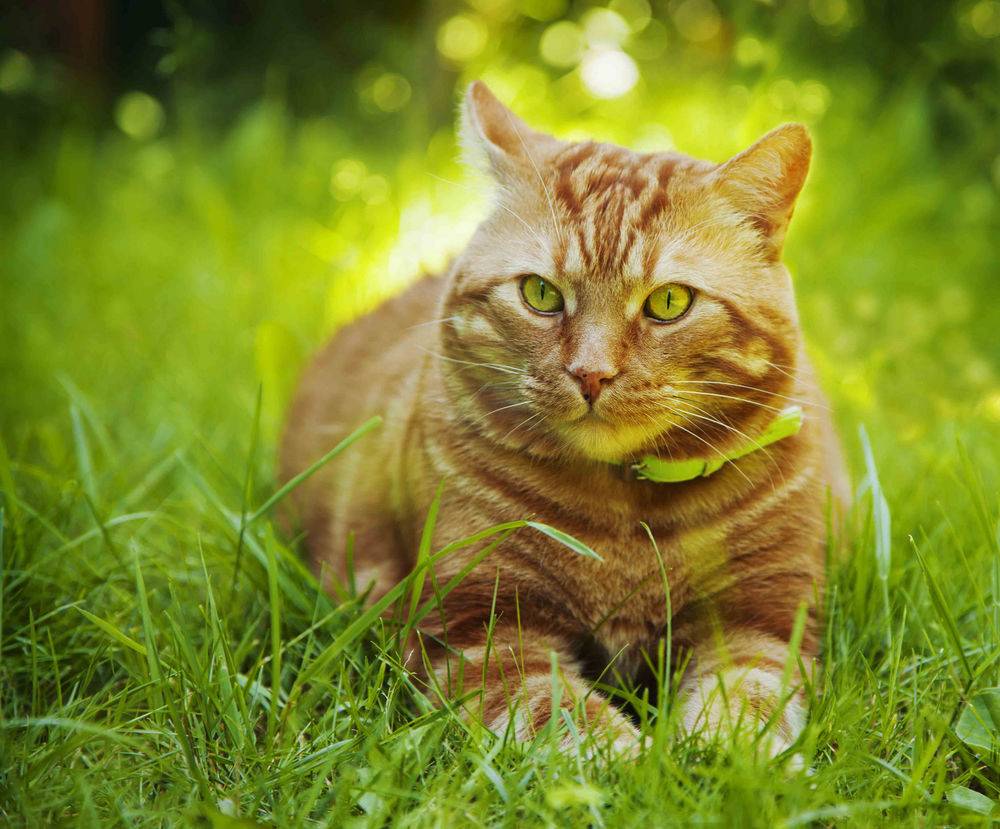
Cats are fascinating creatures with a range of behaviors influenced by their natural instincts. As descendants of wild cats, domestic felines retain some of their ancestors’ traits, such as hunting, grooming, and social behaviors. Understanding these instincts can provide insight into why cats may lick or burrow into human hair.
In the wild, cats rely on their instincts to survive, and many of these instincts carry over into their domestic lives. For example, cats are natural hunters, and their hunting instincts may manifest in play behaviors like stalking and pouncing. Similarly, their grooming and social instincts can help us understand why they may engage in hair-licking or burrowing behaviors with their human companions.
Cats are also territorial creatures, and they may use scent-marking to establish boundaries and communicate with other cats. Licking your hair may be a way for your cat to transfer their scent to you, helping to reinforce their bond with you and establish you as part of their territory.
Grooming habits
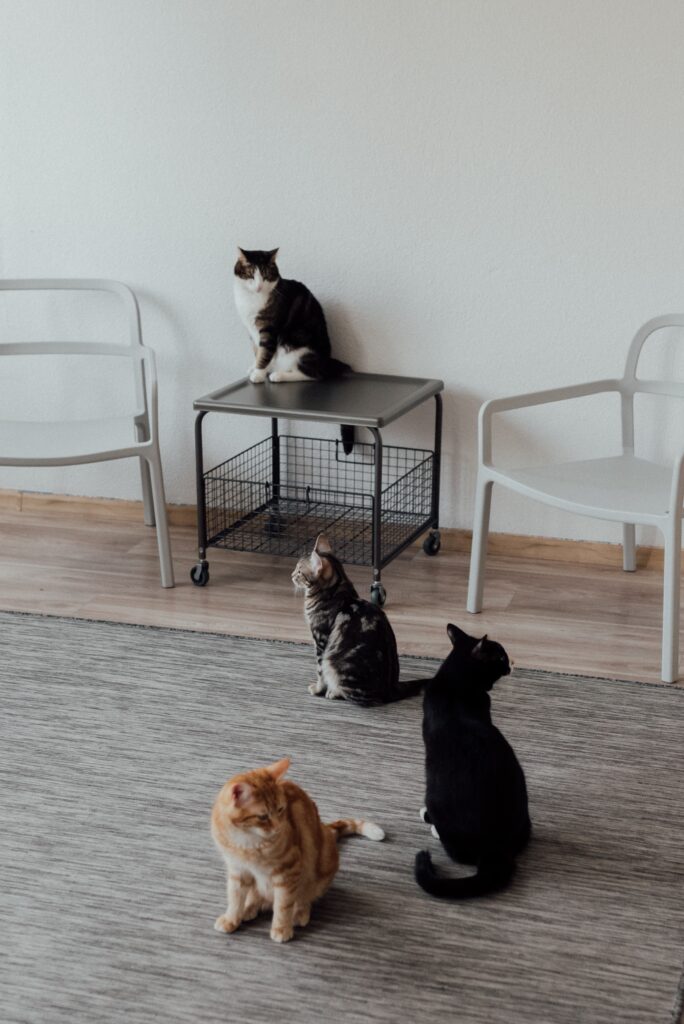
Cats are known for their meticulous grooming habits, which involve licking themselves and sometimes other animals. Licking helps cats remove dirt and debris from their fur, distribute natural oils, and maintain a healthy coat. When your cat licks your hair, it could be an extension of their grooming routine, either out of curiosity or affection.
Cats may also groom each other as a form of social interaction, known as allogrooming. This behavior is typically observed between cats that have a strong bond, and it can help strengthen their relationship. When your cat grooms you by licking your hair, they may be treating you as a member of their feline family and showing their affection.
In addition to reinforcing social bonds, grooming can also serve a practical purpose. For example, cats may groom each other to reach areas that are difficult to clean themselves, such as their heads and necks. If your cat licks your hair, they may be trying to groom an area that they perceive as needing attention.
Social bonding
Licking and grooming are also important for social bonding among cats. In cat colonies, grooming one another helps establish social hierarchy and strengthen bonds between members. When your cat licks your hair, it may be a sign that they consider you a part of their family and are showing you affection.
Cats often engage in social grooming with their trusted companions, and this behavior can extend to their human caretakers. When a cat grooms you by licking your hair, they are not only demonstrating their affection but also acknowledging your role as a caregiver and protector. This can be a heartwarming reminder of the special bond you share with your feline friend.
However, it’s important to note that not all cats will display social grooming behaviors with their human companions. Each cat is unique, and their individual personality, history, and experiences will play a role in shaping their social behaviors. If your cat does not groom you or engage in other social bonding activities, it does not necessarily mean that they do not love you or consider you as part of their family.
Comfort and security
Burrowing into hair can provide cats with a sense of comfort, warmth, and security. Your cat may seek out the cozy feeling of being nestled in your hair, especially if they’re feeling anxious or insecure. This behavior can be a way for them to feel close to you and seek reassurance.
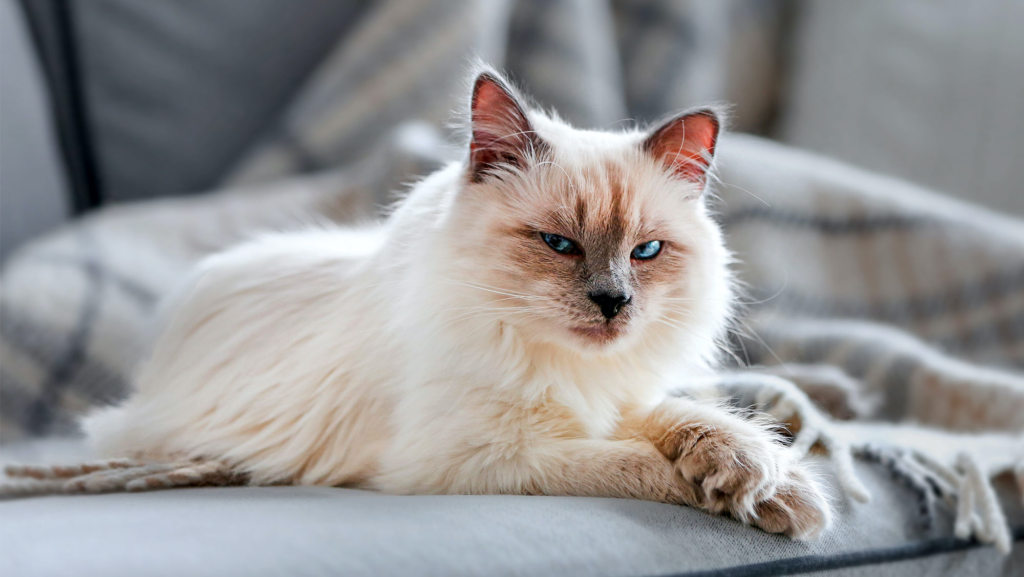
Additionally, cats may be drawn to your hair because it retains your scent, which can be calming and familiar to them. By burrowing into your hair, they are surrounding themselves with your scent, which can create a feeling of safety and comfort. This is particularly true for cats that have been separated from their human companions for a period of time or have experienced a change in their environment.
Cats may also burrow into hair as a form of nesting behavior. In the wild, cats create nests for resting, giving birth, or nursing kittens. This nesting instinct can still be present in domestic cats, and they may seek out soft, warm materials, like your hair, to create a comfortable nest.
Sensory stimulation
Cats have a keen sense of smell, and your scent can be comforting and intriguing to them. The texture of your hair may also provide an interesting sensory experience for your cat. These factors can attract your cat to lick or burrow into your hair.
Cats rely on their senses to navigate and interact with their environment, and their sense of smell is particularly important. Your unique scent can provide your cat with information about your emotions, health, and recent activities. By licking or burrowing into your hair, your cat is not only enjoying the sensory stimulation but also gathering information about you.
The texture of your hair can also be enticing for your cat. Cats are tactile creatures and may be drawn to the feel of your hair, particularly if it is long, thick, or curly. This tactile exploration can be enjoyable for your cat and provide a form of enrichment for their senses.
Anxiety or stress relief
Cats may use licking or burrowing behaviors as a way to cope with anxiety or stress. If your cat is feeling stressed, they may find comfort in the familiar scent and texture of your hair. It’s important to monitor your cat’s behavior and address any underlying causes of stress or anxiety.
In some cases, hair-licking or burrowing behaviors may be a form of self-soothing or displacement behavior. Displacement behaviors are coping mechanisms that animals engage in when faced with stressful situations or emotions. For example, a cat may lick or groom themselves excessively in response to anxiety or fear. If your cat displays these behaviors, it’s essential to identify and address the source of their stress, whether it’s a change in their environment, the presence of a new pet, or a lack of social interaction.
It’s also important to ensure that your cat has outlets for their anxiety and stress, such as interactive toys, scratching posts, and cozy hiding spots. Providing a safe and stimulating environment can help reduce stress and promote overall well-being for your cat.
Medical reasons
In some cases, excessive licking or burrowing into hair could be a sign of a medical issue, such as skin conditions or dental problems. If you’re concerned about your cat’s behavior, consult your veterinarian to rule out any underlying health concerns.
Skin conditions, such as allergies or infections, may cause your cat to lick or groom themselves excessively in an attempt to soothe the affected area. Similarly, dental issues, like tooth pain or gum disease, can cause a cat to lick or chew on objects, including your hair, as a way to alleviate their discomfort.
It’s crucial to monitor your cat’s behavior and seek veterinary advice if you suspect a medical issue may be causing their hair-licking or burrowing habits. Early intervention can help prevent further complications and ensure your cat receives the appropriate treatment.
Preventing and managing the behavior
If your cat’s hair-licking or burrowing habits become bothersome or excessive, there are a few strategies to help manage the behavior. You can try gently redirecting your cat’s attention to a toy or treat, creating a designated cozy spot for them to burrow into, or offering regular grooming sessions to satisfy their grooming instincts. Always approach the situation with patience and understanding, as your cat is likely expressing their affection or seeking comfort.
Redirecting your cat’s attention can be an effective way to discourage hair-licking or burrowing behaviors. When your cat begins to engage in the behavior, try offering a favorite toy or treat to divert their attention. Over time, this can help break the habit and encourage more appropriate activities.
Creating a designated cozy spot for your cat can provide an alternative place for them to burrow and nest. You can use soft blankets, pillows, or a cat bed to create a warm and inviting space for your cat to retreat to when they feel the need to burrow. This can also help reduce their reliance on your hair for comfort and security.
Regular grooming sessions can help satisfy your cat’s grooming instincts and may reduce their desire to lick your hair. Brushing your cat’s fur not only helps keep their coat healthy but also provides an opportunity for bonding and social interaction. Be sure to use a gentle touch and a brush designed for cats to make the experience enjoyable for both you and your feline friend.
Why kittens climb in your hair
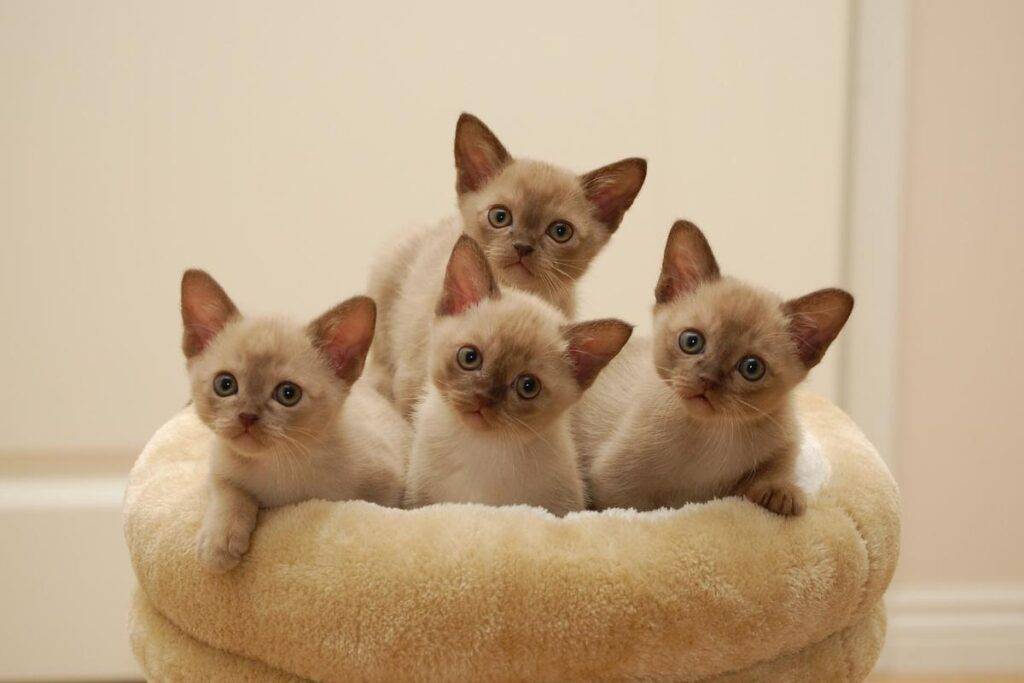
Kittens, much like adult cats, may be drawn to climb into your hair for a variety of reasons. One of the primary reasons is that they seek comfort and security. Your hair provides a soft, warm, and familiar environment for them to explore, play, or rest.
Another reason kittens may climb into your hair is their natural curiosity and playfulness. Kittens are constantly learning and discovering new things, and your hair can offer an interesting and challenging climbing experience. Climbing and exploring are essential for kittens’ physical and mental development, helping them build strength, agility, and problem-solving skills.
Finally, climbing into your hair can also be a way for kittens to seek attention and bonding. As social animals, kittens thrive on interaction with their caregivers, and climbing in your hair can be a way to initiate play or cuddle time.
Why kittens lick and suck hair
Kittens may lick and suck on hair due to a combination of instinctive and learned behaviors. One possible explanation is that kittens associate hair-licking with their mother’s grooming habits. Mother cats groom their kittens by licking their fur, which not only helps keep them clean but also strengthens the bond between them. By licking your hair, kittens may be mimicking this maternal behavior.
Another reason kittens might lick and suck on hair is the comfort it provides. Much like human babies, kittens may find sucking on something soothing and comforting. This behavior can be a way for them to self-soothe and reduce stress or anxiety.
In some cases, hair-licking and sucking may be a sign of early weaning. Kittens that are separated from their mothers too soon may continue to seek the comfort and security they experienced while nursing. Licking and sucking on hair can be a way for them to simulate nursing and find comfort in the absence of their mother.
Whether to wean kittens from this behavior
Deciding whether to wean kittens from hair-licking, sucking, or climbing behavior depends on the individual circumstances and the potential impact of the behavior on both the kitten and their caregiver.
If the behavior is not causing any harm or distress to the kitten or the caregiver, it may be acceptable to allow the kitten to continue until they naturally outgrow it. However, if the behavior becomes excessive or problematic, it may be necessary to gently discourage it.
To wean kittens from hair-related behaviors, you can try the following strategies:
- Redirect their attention: When the kitten starts licking, sucking, or climbing your hair, gently redirect their focus toward a toy or treat. This can help establish a new, more appropriate behavior.
- Provide alternative comfort objects: Offer soft, plush toys or blankets that the kitten can lick or suck on, which can provide a similar sense of comfort and security.
- Increase social interaction: Ensure the kitten has plenty of opportunities for socialization and bonding with you and other animals in the household. This can help them develop healthy social behaviors and reduce their reliance on hair-related activities for comfort.
- Gradual weaning: If the behavior is related to early weaning, gradually reduce the kitten’s access to your hair and provide alternative sources of comfort and stimulation.
Remember to be patient and understanding while helping your kitten learn to navigate their environment and develop healthy habits. If you have concerns about your kitten’s behavior or development, consult with a veterinarian or a feline behavior specialist for guidance and support.
Cats are fascinating creatures with a range of behaviors that can sometimes seem odd to us humans. Understanding the reasons behind these behaviors can help us appreciate and connect with our feline companions on a deeper level.

Recent Comments